
 Save
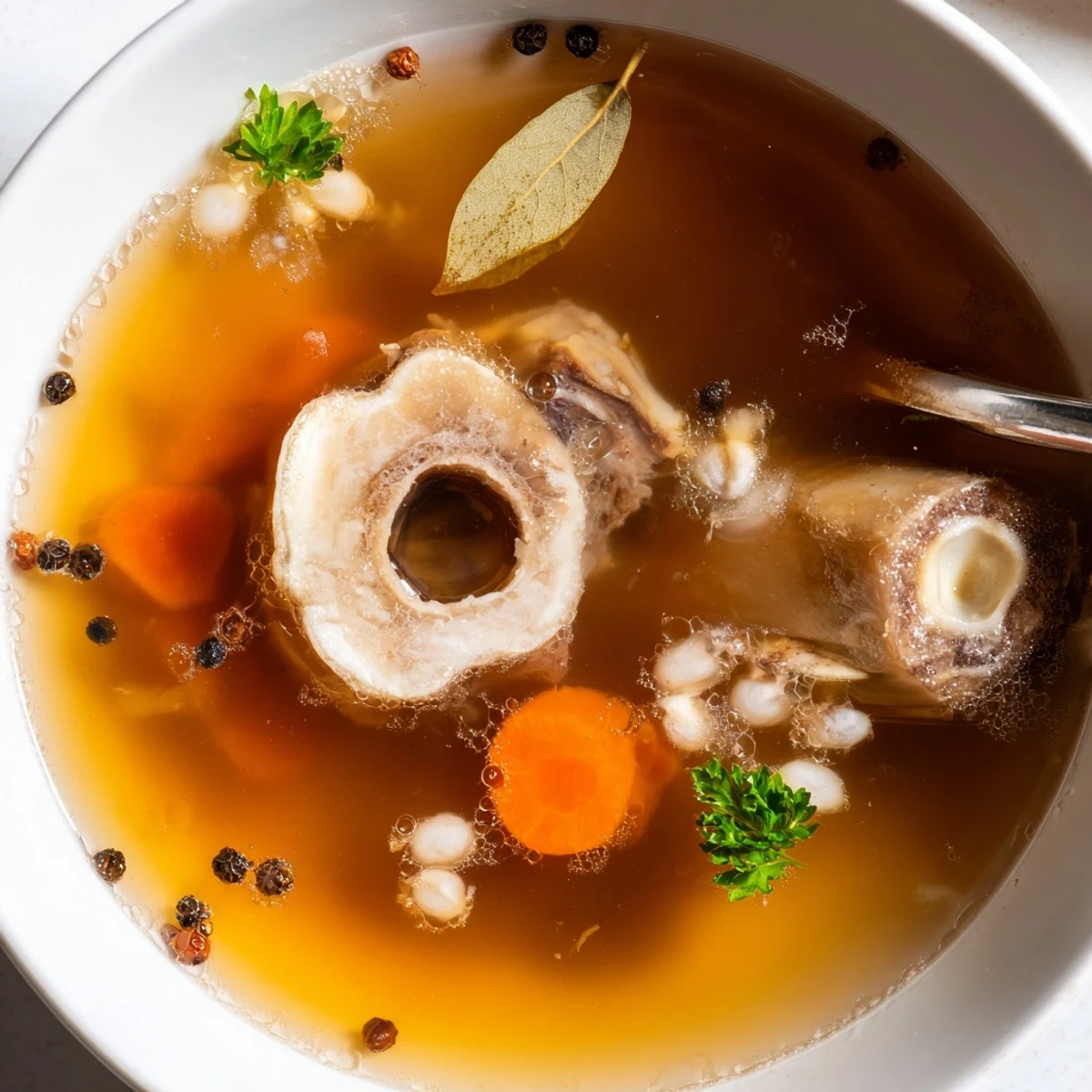
Save Make a rich beef bone broth by simmering roasted or raw beef bones with carrots, celery, onion, garlic, bay leaves, parsley, peppercorns and a splash of apple cider vinegar in cold water for at least 12 hours. Skim foam during the first hour, strain through a fine mesh, cool and refrigerate to remove excess fat. Use warm as a restorative drink or as a flavorful base for soups, stews, risottos and sauces.
The apartment smelled like a winter market in Prague for three straight days, and honestly, I was not mad about it. A giant pot of beef bones had taken over my stove, gurgling softly at odd hours while I wondered if I had finally lost my mind. But that first ladleful, rich and golden with a wobbly layer of gelatin beneath the fat cap, proved otherwise. This broth changed how I think about leftovers, scraps, and patience all at once.
I started making this on a rainy Sunday when my fridge was full of vegetable ends and the butcher had a bag of marrow bones for two dollars. My roommate walked in, saw the pot bubbling at midnight, and asked if I was brewing a potion. By Tuesday morning, we were both cradling mugs of it like coffee and feeling absurdly virtuous.
Ingredients
- 2.5 lbs beef bones (marrow, knuckle, or oxtail): Mix marrow and knuckle bones if you can, since marrow gives richness while knuckle contributes collagen for that satisfying gelatinous texture.
- 2 carrots, roughly chopped: No need to peel them, just scrub and chop, because the skins add a subtle earthy sweetness.
- 2 celery stalks, roughly chopped: Leaves and all, since the leaves carry more flavor than you might expect.
- 1 large onion, quartered: Leave the skin on for a deeper amber color in the finished broth.
- 4 garlic cloves, smashed: A quick press with the flat side of a knife is enough, and the papery skin can stay.
- 2 bay leaves: These work quietly in the background, so do not skip them even if you are tempted.
- 1 small bunch fresh parsley: Toss it in stems and all, because the stems hold plenty of flavor.
- 1 tsp whole black peppercorns: Whole peppercorns give gentle warmth without clouding the broth the way ground pepper would.
- 2 tbsp apple cider vinegar: This is the magic trick that helps draw minerals out of the bones, and you will not taste it at all.
- 12 cups cold water: Always start with cold water, as it extracts flavor more evenly than hot.
- Salt to taste: Wait until the very end to salt, because reducing concentrates everything including saltiness.
Instructions
- Roast the bones if you want depth:
- Spread the bones on a tray and roast at 400 degrees F for about 30 minutes until they are deeply browned and your kitchen smells like a steakhouse. This step is optional but transforms the broth from good to deeply memorable.
- Load up the pot:
- Pile the roasted or raw bones into a large stockpot or slow cooker along with the carrots, celery, onion, garlic, bay leaves, parsley, and peppercorns. Pour in the apple cider vinegar and cold water, making sure everything is submerged with about an inch of water above the bones.
- Bring to a simmer and skim:
- Set the pot over medium heat and bring it to a gentle bubble, not a rolling boil, and use a ladle or skimmer to remove the grey foam that rises during the first hour. This foam is just impurities, and skimming gives you a cleaner, clearer broth.
- Let time do the work:
- Lower the heat as far as it will go and let the broth simmer uncovered or partially covered for at least 12 hours, checking occasionally to make sure the bones stay submerged. Add a splash of hot water whenever the level drops too low.
- Strain and season:
- Pour the broth through a fine mesh sieve or cheesecloth into a large bowl or second pot, pressing gently on the solids to extract every last drop. Discard the spent bones and vegetables, then salt the broth to taste.
- Cool and store:
- Let the broth cool to room temperature, then refrigerate it overnight so the fat solidifies into a solid cap on top. Skim off the fat if you prefer, then store the broth in jars for up to 5 days in the fridge or freeze it for up to 3 months.
 Save
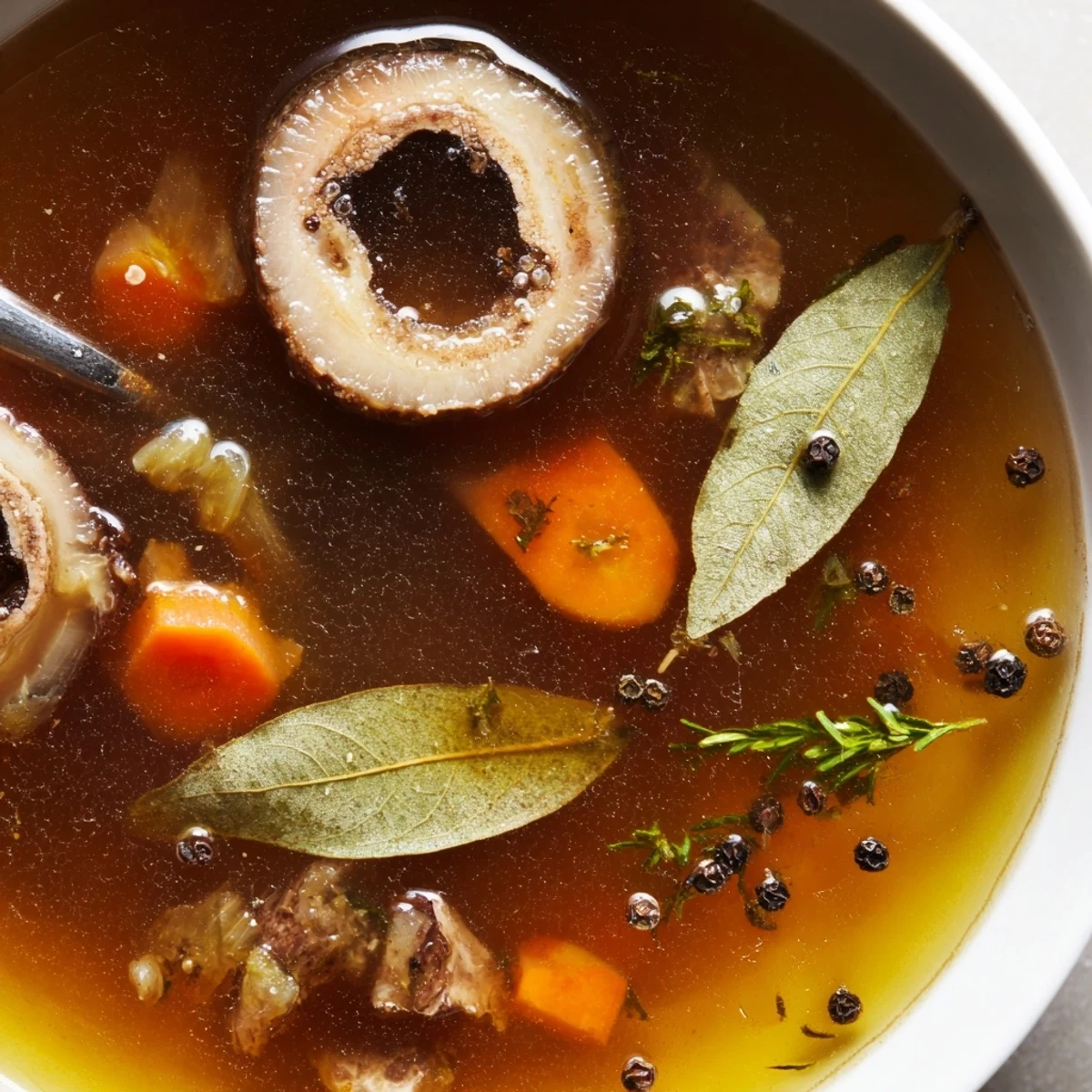
Save There is something quietly profound about turning a pile of leftover bones into something so nourishing. It feels like an act of resourcefulness that connects you to every generation that cooked before convenience existed.
The Roasting Question
I skipped roasting for years because it felt like an extra step I could avoid. Then one afternoon I roasted a batch out of curiosity and the difference was striking, deeper color, rounder flavor, and a broth that tasted like it had a story to tell. Now I roast every time unless I am in a genuine rush.
Choosing the Right Bones
Your butcher is your best friend here, so ask for a mix of marrow bones for richness and knuckle or joint bones for collagen. Oxtail adds incredible body but can be pricy, so even a single piece tossed in with cheaper bones makes a noticeable difference in the final texture.
How to Use Every Drop
This broth is far too versatile to sit forgotten in the back of the freezer, so here are my favorite ways to use it beyond just sipping from a mug.
- Replace water with this broth when cooking rice, quinoa, or risotto for an instant flavor upgrade.
- Use it as a base for French onion soup, minestrone, or any stew that needs a rich foundation.
- Freeze it in ice cube trays so you always have small portions ready for deglazing pans or thinning sauces.
 Save
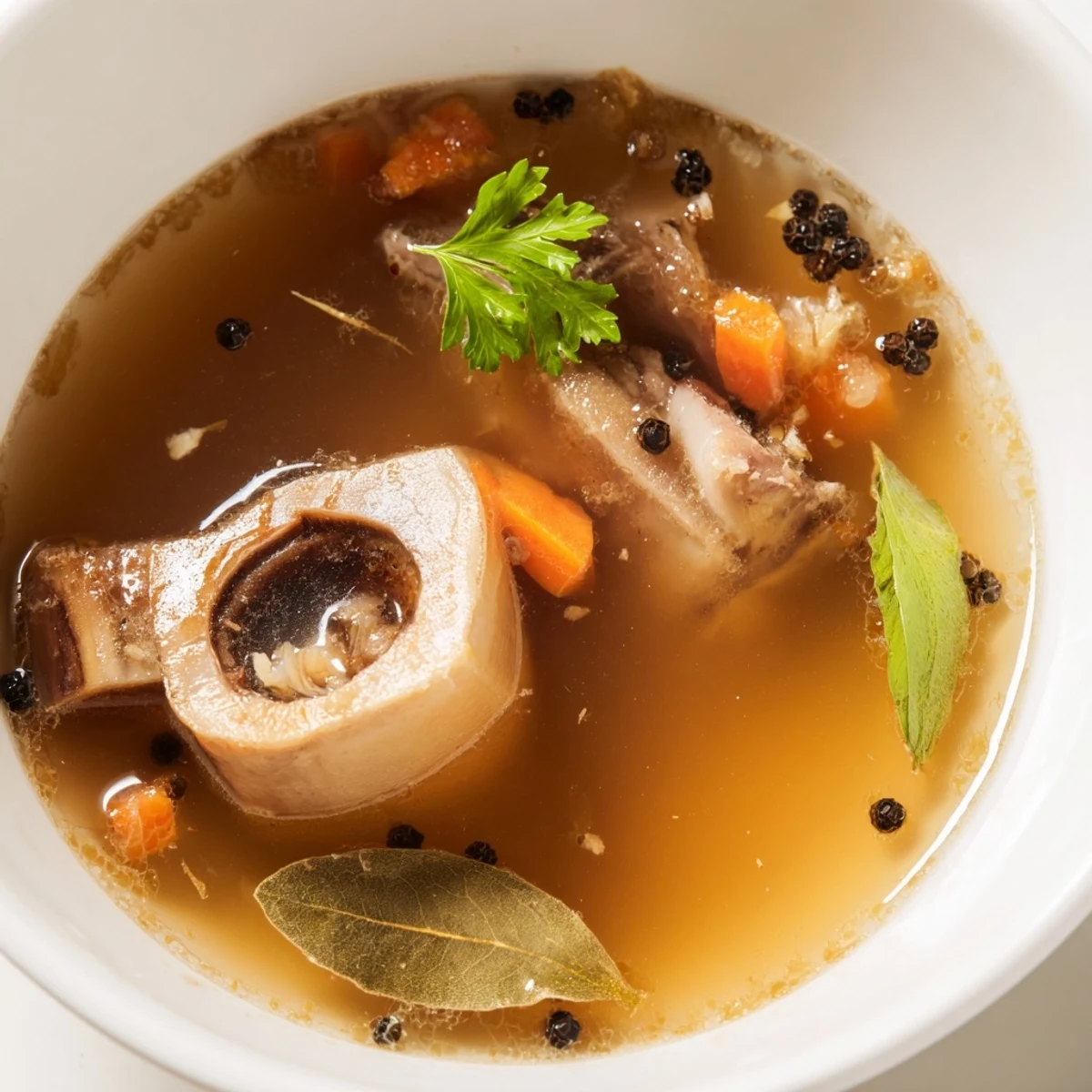
Save A pot of simmering bone broth is less a recipe and more a quiet commitment to letting something wonderful unfold on its own timeline. Your future self will thank you every time you open the freezer and find it waiting.
Recipe FAQs
- → How long should I simmer the bones?
-
Simmer for a minimum of 12 hours to extract flavor and nutrients; 18–24+ hours yields a richer, more gelatinous broth. Occasionally top up with water to keep bones submerged.
- → Should I roast the bones first?
-
Roasting is optional but recommended: 30 minutes at 400°F (200°C) deepens color and adds caramelized, savory notes to the finished broth.
- → What does the apple cider vinegar do?
-
A splash of vinegar helps draw minerals and gelatin from the bones into the liquid, improving body and mouthfeel without adding vinegar flavor when simmered long enough.
- → How do I store and reheat the broth?
-
Cool, refrigerate up to 5 days or freeze up to 3 months. When chilled, fat will solidify on top for easy skimming. Reheat gently over low heat to preserve texture.
- → How can I make the broth clear and remove impurities?
-
Begin with cold water, skim foam and impurities during the first hour of simmering, and strain through a fine-mesh sieve or cheesecloth to clarify the liquid.
- → What are common culinary uses for the broth?
-
Enjoy warm as a restorative sip, or use as a flavorful base for soups, stews, risottos, sauces and braises. It concentrates well when reduced for sauces.