
 Save
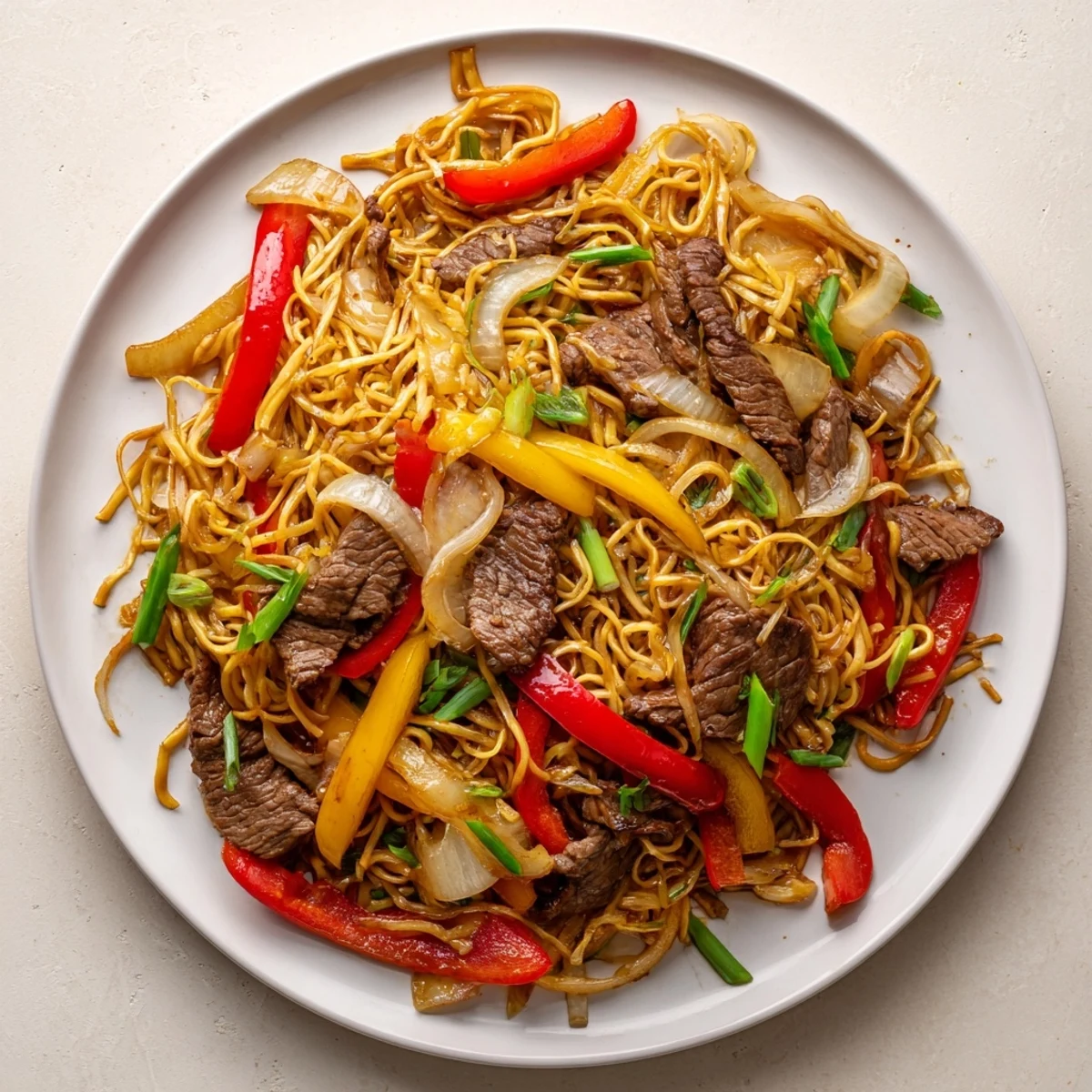
Save This vibrant Chinese noodle dish brings together tender strips of beef sirloin, colorful bell peppers, and sweet onions in a flavorful stir-fry. The savory sauce combines soy, oyster, and hoisin for that authentic restaurant taste. Ready in just 35 minutes, this satisfying meal serves four perfectly.
The sizzle of beef hitting a screaming hot wok is one of those sounds that instantly transports me to Saturday afternoons in my tiny apartment kitchen, window cracked open even in winter because the smoke alarm had a personal vendetta against me. I taught myself stir frying out of sheer stubbornness after one too many soggy takeout noodles that cost more than they should have. Beef chow mein with peppers and onions became my weekly ritual, the dish I made when I needed something fast, loud, and deeply satisfying. It never once let me down.
My friend Marcus walked in once while I was mid toss, chopsticks in each hand, and declared it smelled better than his grandmothers version. I suspect he was just hungry, but I took the compliment anyway and plated him an enormous portion. He sat on my kitchen counter eating straight from the wok and refused to share with anyone else.
Ingredients
- 350 g (12 oz) beef sirloin, thinly sliced: Sirloin strikes the right balance between tenderness and beefy flavor, and slicing it thin against the grain while it is partially frozen makes the job effortless.
- 2 bell peppers (red and yellow), thinly sliced: Using two colors is not just pretty, the slight sweetness difference between red and yellow peppers builds more depth in every bite.
- 1 large onion, thinly sliced: Onion caramelizes slightly in the wok and creates a natural sweetness that rounds out the salty, savory sauce.
- 2 spring onions, sliced: Reserved for the end as a fresh, mildly sharp garnish that wakes up the whole dish.
- 2 cloves garlic, minced: Fresh garlic only, the jarred stuff loses too much of that aggressive punch that stir frying demands.
- 1 thumb sized piece ginger, julienned: Cutting ginger into thin matchsticks means you get little bursts of warmth rather than an overwhelming bite.
- 300 g (10 oz) chow mein noodles (or egg noodles): Fresh noodles are ideal if you can find them, but dried egg noodles work beautifully once you rinse them after cooking.
- 3 tbsp soy sauce: The backbone of the sauce, use a good quality Chinese soy sauce if possible for that deep, rich saltiness.
- 1 tbsp oyster sauce: This adds a velvety umami depth that ties the beef and vegetables together seamlessly.
- 1 tbsp hoisin sauce: A touch of sweetness and fermented complexity that elevates the sauce beyond basic soy.
- 1 tbsp sesame oil: Added to the sauce rather than used for cooking, because its flavor shines brightest when not exposed to high heat.
- 1 tsp cornstarch mixed with 1 tbsp water: This slurry thickens the sauce just enough to coat the noodles without making them gummy.
- 1/2 tsp black pepper and 1/2 tsp sugar: Simple seasonings that sharpen and balance the sauce respectively.
- 2 tbsp vegetable oil: Divided between cooking the beef and sauteeing the vegetables, vegetable oil handles high wok heat without burning.
Instructions
- Stir together the sauce:
- In a small bowl, whisk the soy sauce, oyster sauce, hoisin sauce, sesame oil, black pepper, sugar, cornstarch, and water until smooth. Give it one more stir right before using because the cornstarch settles fast.
- Cook and prep the noodles:
- Boil the chow mein noodles according to the package directions, drain them, and rinse immediately with cold water to stop the cooking and wash off excess starch. Toss them with a few drops of sesame oil so they do not stick together while you work.
- Sear the beef:
- Heat one tablespoon of vegetable oil in a large wok or skillet over the highest heat your stove allows, then add the sliced beef in a single layer and stir fry for about two minutes until just browned. Remove the beef to a plate and resist the urge to overcook it because it will finish cooking later.
- Build the aromatic base:
- Add the remaining tablespoon of oil to the wok and toss in the garlic, ginger, and sliced onion, stirring constantly for one minute until your kitchen smells incredible. Keep everything moving so the garlic does not catch and turn bitter.
- Toss in the peppers:
- Add the sliced bell peppers and stir fry for two to three minutes, aiming for vivid color and a slight crunch when you bite into them. You want them tender but still singing with freshness.
- Bring it all together:
- Return the beef and any juices to the wok, add the cooked noodles, and pour the sauce over everything, then toss aggressively for two to three minutes. Keep tossing until every noodle is glossy and coated and the whole kitchen smells like a street food stall.
- Finish and serve:
- Scatter the sliced spring onions over the top, give one final toss, and serve immediately while the noodles are still piping hot. Chow mein waits for no one.
 Save
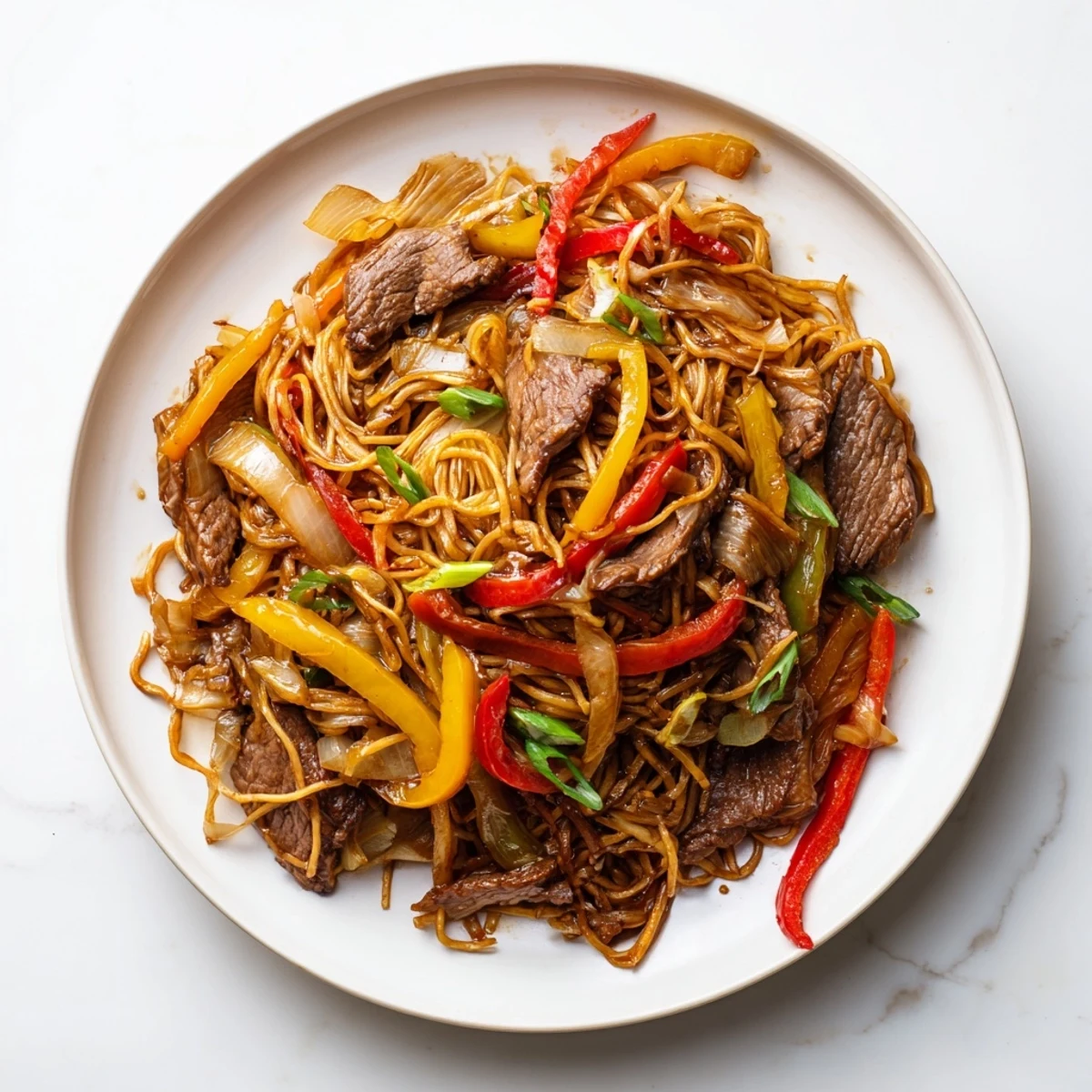
Save I made this for a neighborhood potluck once and watched a woman I had never met go back for thirds before the table was even half empty. She tracked me down later to ask for the recipe, and we ended up talking for an hour about her years running a noodle stall in Kuala Lumpur. That bowl of noodles built a friendship I never expected.
Getting That Wok Char Everyone Chases
The smoky, slightly charred flavor known as wok hei comes from high heat and constant movement, not from letting things sit still. Let your wok get genuinely smoking hot before the oil goes in, and keep the ingredients tossing rather than settling. A flat bottomed wok on a gas burner works best, but a large cast iron skillet will get you surprisingly close.
Smart Swaps and Additions
Snow peas, julienned carrots, bean sprouts, or sliced mushrooms all belong in this dish if you have them lurking in the crisper drawer. Swap the beef for thinly sliced chicken thigh, firm tofu pressed and cubed, or large shrimp, adjusting the cooking time accordingly. The sauce works universally, so the protein and vegetable combinations are limited only by what needs using up.
Storing and Reheating Without Sadness
Leftover chow mein keeps well in an airtight container in the refrigerator for up to three days, though the noodles will soften slightly overnight. Reheat it in a hot skillet with a splash of water rather than using the microwave, which turns noodles rubbery and sad.
- A quick drizzle of fresh sesame oil at the end of reheating revives flavors that have gone quiet in the fridge.
- If the noodles seem dry, a spoonful of extra soy sauce mixed with a few drops of water brings them back to life.
- Always taste before adding salt because the soy sauce and oyster sauce are already carrying a heavy salt load.
 Save
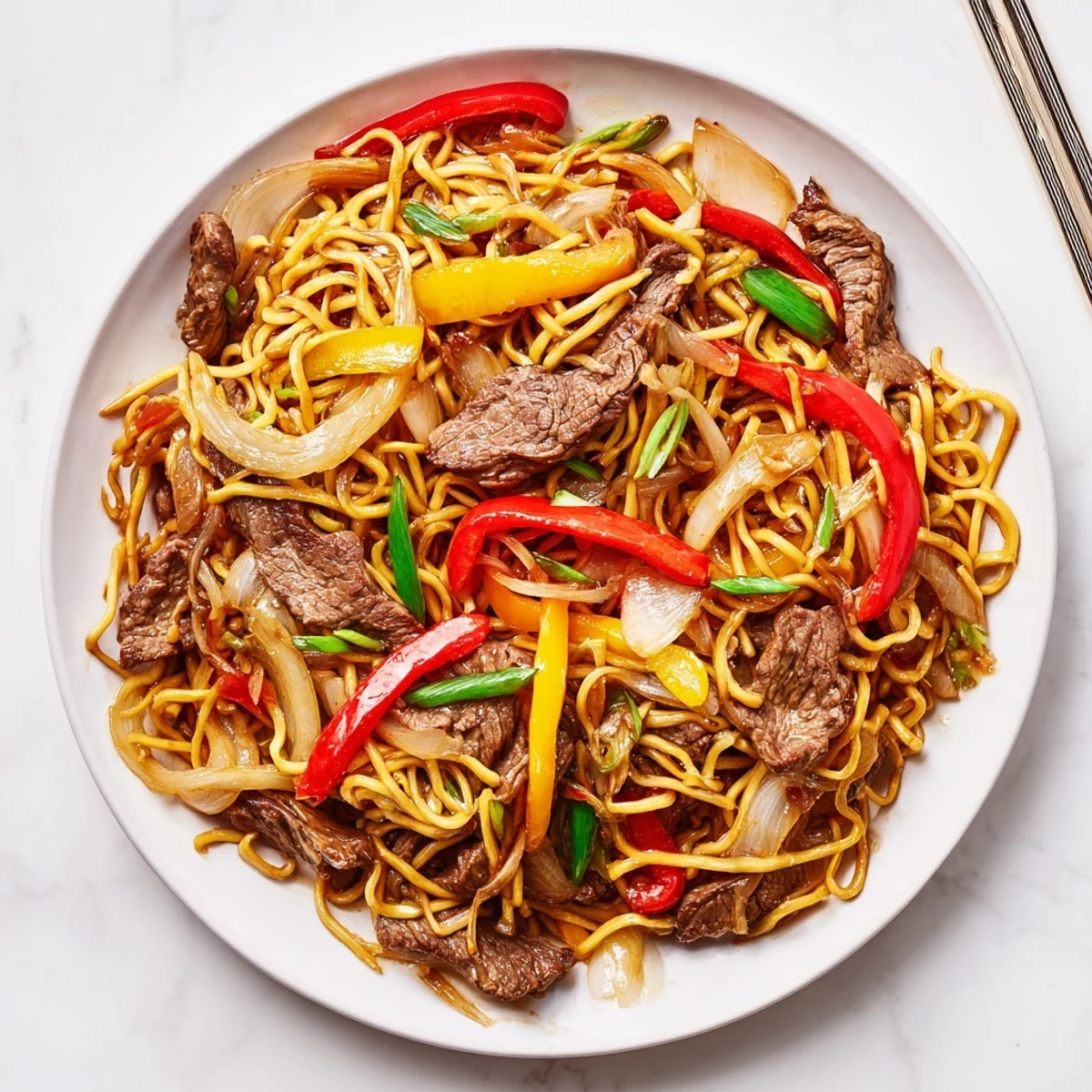
Save Some dishes feed you and some dishes remind you why you fell in love with cooking in the first place, and this one does both every single time. Get your wok hot, move fast, and eat immediately.
Recipe FAQs
- → What cut of beef works best?
-
Beef sirloin is ideal for its tenderness and quick cooking. Flank steak or ribeye also work well when sliced thinly against the grain.
- → Can I make this ahead?
-
Prep vegetables and sauce in advance. Cook fresh just before serving for the best texture and flavor.
- → What noodles should I use?
-
Traditional chow mein noodles are perfect. Egg noodles, linguine, or rice noodles make excellent substitutes.
- → How spicy is this dish?
-
This version is mild. Add chili flakes, fresh ginger, or sriracha if you prefer some heat.
- → Can I use other vegetables?
-
Snow peas, bean sprouts, carrots, or bok choy all work beautifully in this stir-fry.
- → Is this gluten-free?
-
Not as written. Use tamari instead of soy sauce and gluten-free noodles to make it gluten-free.