
 Save
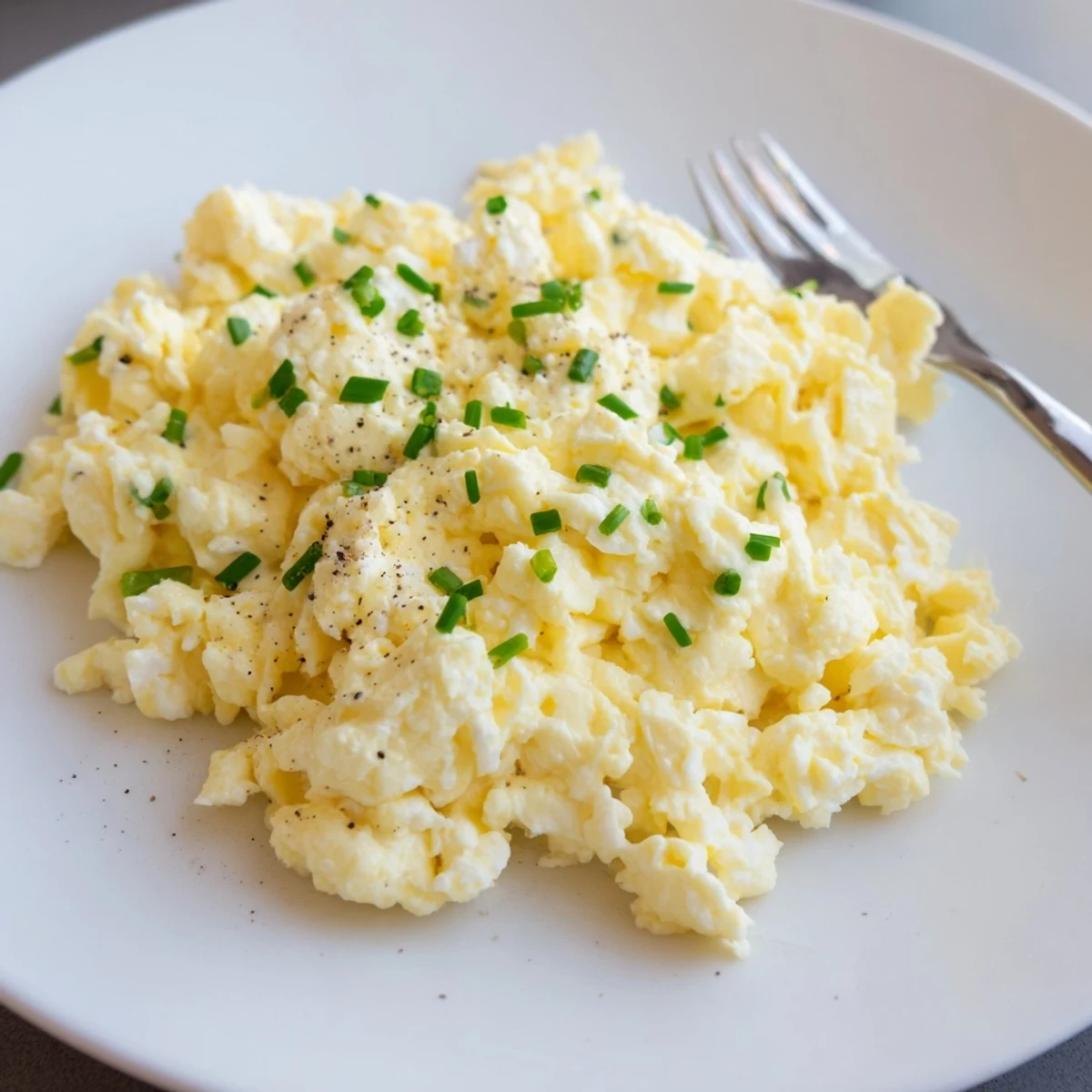
Save Whisk eggs with cottage cheese and a splash of milk until slightly frothy, then cook low and slow in butter to form soft, creamy curds. Stir gently from the edges and remove while still glossy at about 3–4 minutes, folding in chopped chives at the end. Use small-curd cottage cheese for extra silkiness and serve hot on toast or with smoked salmon. Avoid high heat to preserve a tender texture.
My roommate stared at me like I had lost my mind when I dumped a spoonful of cottage cheese into my eggs one lazy Sunday morning. The pan was already sizzling, butter foaming, and I just went for it based on a half remembered tip from a diner cook I once chatted with at a counter in Vermont. Those eggs turned out so impossibly creamy and pillowy that she asked me to make them again the very next morning.
I have since made these eggs for overnight guests, sleepy family mornings, and once in a questionable hotel kitchenette with a warped pan. They have never failed me, even when the cottage cheese was the only fresh thing in the fridge.
Ingredients
- 4 large eggs: Room temperature eggs blend more smoothly and cook more evenly, so pull them out ahead of time if you can.
- 1/4 cup cottage cheese: Small curd works best because it disperses beautifully, but any style will melt into the eggs as they cook.
- 2 tbsp whole milk or cream: This loosens the mixture just enough for that soft, luxurious texture without making it watery.
- Salt and freshly ground black pepper: Season before cooking so the flavor runs through every curd rather than sitting on top.
- 2 tbsp chopped fresh chives: Their mild onion sweetness cuts through the richness and adds a pop of color that makes the plate sing.
- 1 tbsp unsalted butter: Butter gives the eggs a golden finish and keeps them from sticking, so do not skimp here.
Instructions
- Whisk everything together:
- Crack the eggs into a bowl and add the cottage cheese, milk or cream, salt, and pepper. Whisk vigorously until the mixture looks slightly frothy and the cottage cheese is evenly distributed.
- Melt the butter gently:
- Set a nonstick skillet over medium low heat and let the butter melt until it just starts to foam without browning.
- Pour and wait:
- Spread the egg mixture into the pan and resist the urge to stir immediately. Let the edges set for about ten seconds so beautiful curds can form.
- Stir with patience:
- Use a spatula to gently push from the outside toward the center, folding softly. Keep the heat low and stir only occasionally so the eggs stay tender.
- Know when to stop:
- Pull the pan off the heat while the eggs still look slightly underdone and wet. They will carryover cook on the plate and reach perfect creaminess.
- Finish with chives:
- Scatter the chopped chives over the top and give one gentle fold so the green threads are visible throughout without getting bruised.
 Save
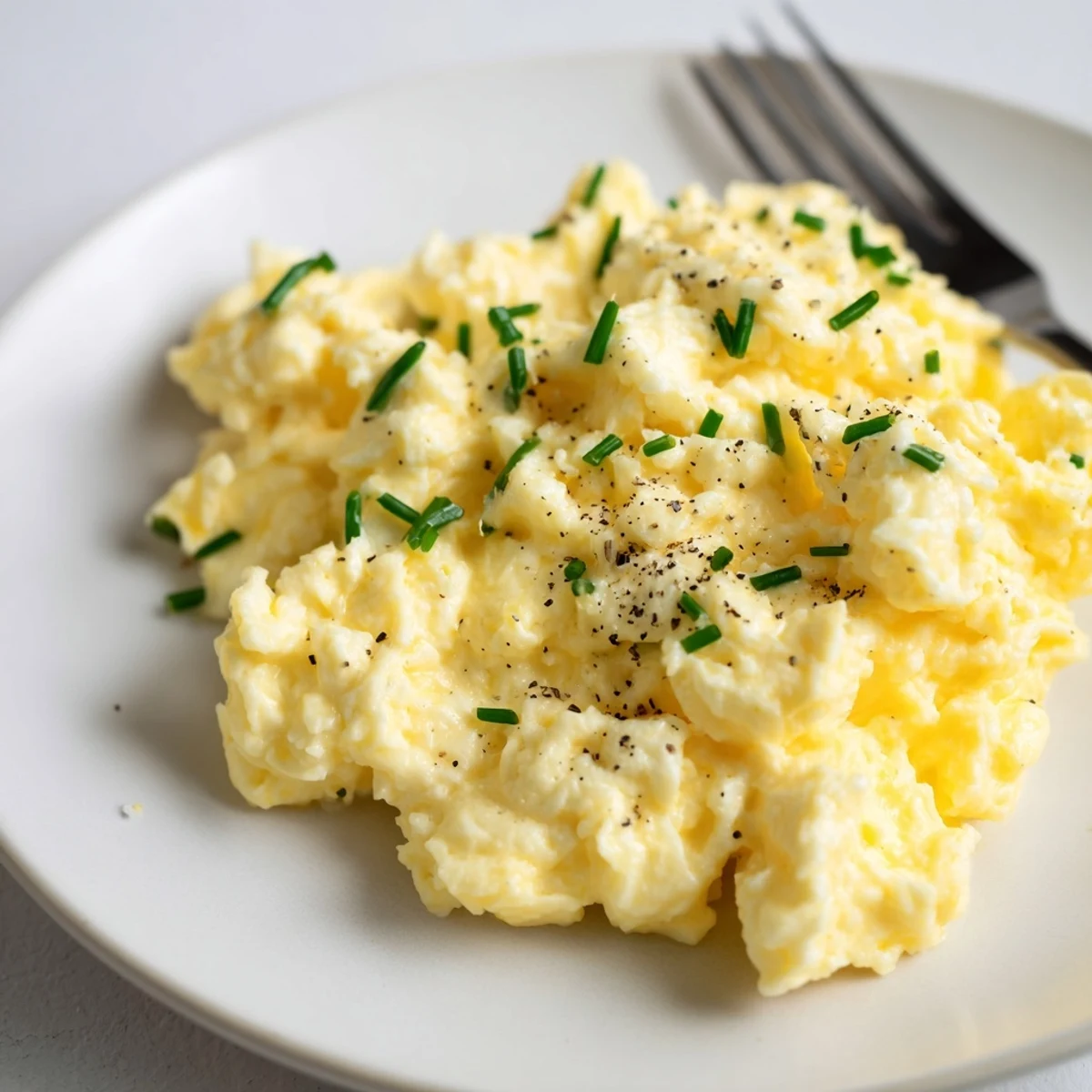
Save Somewhere between the third time I made these and the fiftieth, they stopped being just breakfast and became my unofficial way of telling people I am glad they are here.
Serving Ideas Worth Trying
Pile these eggs onto thick sourdough toast with a few cracks of pepper and call it a meal. They are also wonderful next to smoked salmon, roasted tomatoes, or a simple arugula salad with lemon.
Making It Your Own
Swap the chives for thinly sliced scallions or fresh dill if that is what you have growing on the windowsill. A pinch of red pepper flakes or a shower of shredded cheese at the end opens up entirely different moods.
Quick Reminders Before You Cook
Keep your tools simple and your attention close. A good nonstick pan and a flexible spatula are honestly all you need.
- Taste the cottage cheese first because some brands are saltier than others.
- Grate a little extra chives over the plate at the end for a fresh finish.
- Serve immediately because these eggs wait for no one.
 Save
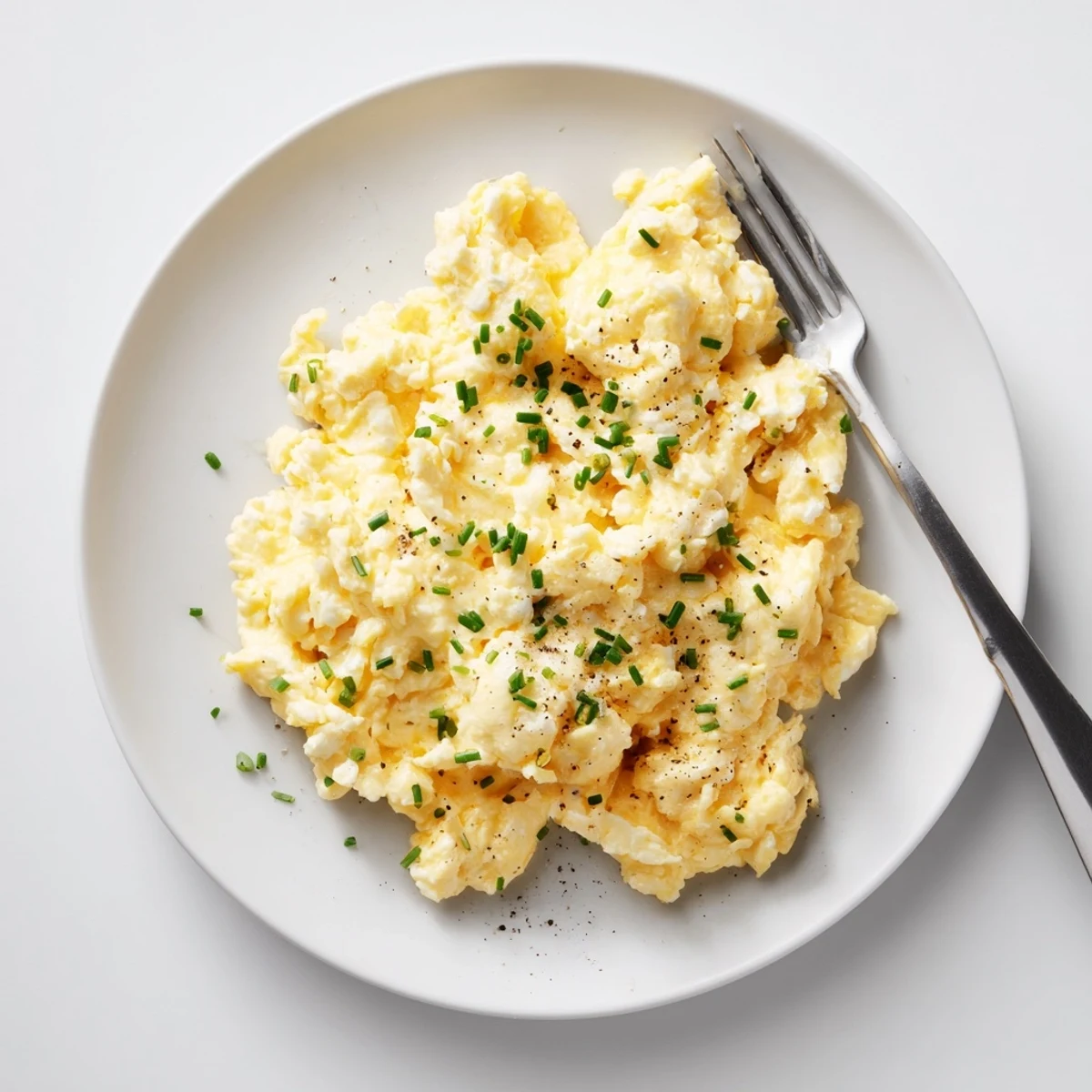
Save Cook these once and you will find yourself reaching for the cottage cheese every single morning without even thinking about it.
Recipe FAQs
- → How do I keep the eggs soft and creamy?
-
Cook over medium-low heat and stir gently to form large, soft curds. Remove from heat when eggs are slightly glossy; carryover heat finishes them. Using a splash of milk or cream and a bit of butter helps maintain a silky texture.
- → Can I use large-curd cottage cheese?
-
Small-curd cottage cheese blends into the eggs more smoothly. If using large-curd, mash it slightly or pulse briefly in a blender to avoid visible lumps while preserving creaminess.
- → Is milk or cream necessary?
-
A small splash of milk or cream lightens the texture and helps with gentle curd formation, but you can omit it for a denser, lower-carb finish. Adjust seasoning if you skip dairy.
- → What pan and heat work best?
-
Use a nonstick skillet and moderate to low heat. Butter adds flavor and helps prevent sticking; avoid high heat, which yields dry, rubbery curds instead of soft folds.
- → How should leftovers be reheated?
-
Warm gently over low heat, stirring frequently, or use short bursts in a microwave at low power with a splash of milk to reintroduce moisture. Reheat only until warm to avoid overcooking.
- → What can I substitute for chives?
-
Scallions, dill, or finely chopped parsley all provide fresh, oniony or herbaceous notes. Add them at the end to preserve their bright flavor and color.