
 Save
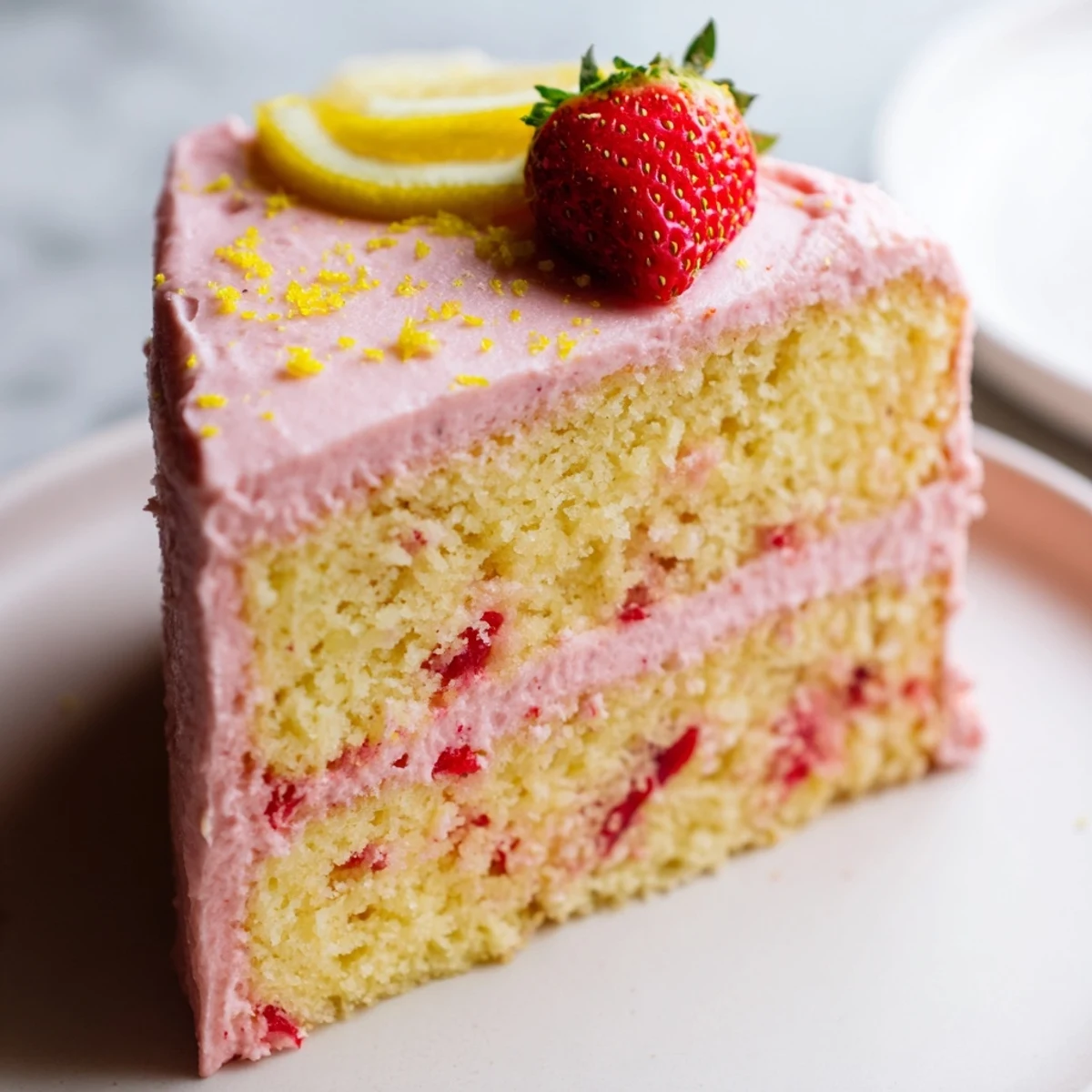
Save This strawberry lemonade cake brings together the best of summer in every slice. Tender layers infused with fresh lemon zest and juice are studded with ripe, diced strawberries, creating a bright and fruity crumb.
The crowning touch is a silky frosting made with real strawberry puree and freshly squeezed lemon juice, balancing sweetness with a pleasant tang. It's an ideal centerpiece for warm-weather gatherings, birthday celebrations, or anytime you crave something refreshingly fruity.
With straightforward techniques like creaming butter and sugar, folding in fresh berries, and assembling layered frosting, this cake is well within reach for home bakers comfortable with moderate-level baking projects.
The summer my neighbor Frank handed me a grocery bag overflowing with strawberries from his backyard patch, I had no idea it would lead to my most requested potluck contribution for the next five years running. His one condition was that I make something that would do the berries justice, which felt like a lot of pressure from a man in gardening clogs. I stared at that mountain of fruit, zested two lemons on impulse, and ended up with a cake that tasted like pure sunshine on a paper plate.
I brought the first version to a backyard birthday party where three people asked for the recipe before they even finished their slices, and one woman quietly packed an extra piece in her purse on the way out. That kind of honest theft is the highest compliment a baker can receive.
Ingredients
- All-purpose flour (2 1/2 cups or 315 g): Provides the sturdy backbone for this cake, and spooning it into the cup then leveling with a knife instead of scooping directly will save you from a dense, heavy crumb every single time.
- Baking powder (2 tsp) and baking soda (1/2 tsp): This dual leavening combination gives the cake a reliable lift while the soda reacts with the acidity from the lemon juice and buttermilk for an extra airy texture.
- Salt (1/2 tsp): Just enough to sharpen every flavor and prevent the sweetness from flattening out into one-note sugariness.
- Unsalted butter (3/4 cup or 170 g), softened: Room temperature butter creams properly with sugar to create those tiny air pockets that make the cake light, so pull it out an hour ahead and do not try microwaving it.
- Granulated sugar (1 1/2 cups or 300 g): Sweetens the cake while also contributing to that golden, slightly caramelized edge on each layer that makes the kitchen smell incredible.
- Large eggs (3): Bind everything together and add richness, and adding them one at a time keeps the batter smooth rather than curdled and confused.
- Lemon zest (1 tbsp) and fresh lemon juice (1/3 cup or 80 ml): The zest holds all the fragrant oils and the juice brings the tang, so do not skip the zest and do not use the bottled stuff from the back of your fridge door.
- Vanilla extract (1 tsp): A quiet background note that rounds out the citrus and berry flavors without demanding attention.
- Buttermilk (1 cup or 240 ml): The secret weapon here, adding moisture and a gentle tang while reacting with the baking soda to keep the crumb soft and delicate.
- Fresh strawberries (1 cup or 170 g), diced: Folded in at the end so they distribute without turning the batter pink, and fresh berries hold their shape far better than frozen ones would in this context.
- Frosting butter (1/2 cup or 115 g), powdered sugar (3 cups or 360 g), lemon juice (1/4 cup or 60 ml), and strawberry puree (2 tbsp): This frosting is where the lemonade flavor really concentrates, and the strawberry puree gives it a blush color that looks beautiful without any food coloring.
- Salt (pinch) for frosting: A tiny pinch in the frosting balances the powdered sugar and makes the citrus flavors pop dramatically.
- Lemon zest and sliced strawberries for garnish (optional): Entirely optional but a few scattered berries and a dusting of zest on top tells people exactly what they are about to eat.
Instructions
- Get your oven ready:
- Preheat to 350 degrees Fahrenheit, then grease two 8-inch round cake pans and line the bottoms with parchment paper so your cakes release cleanly without sticking or falling apart.
- Whisk the dry ingredients together:
- In a medium bowl, combine the flour, baking powder, baking soda, and salt with a whisk until evenly distributed, which prevents any bitter pockets of leavening in the finished cake.
- Cream the butter and sugar:
- Beat the softened butter and sugar together in a large bowl for about three full minutes until the mixture looks noticeably lighter in color and feels fluffy when you stop the mixer, because this step is doing the real work of building structure.
- Add eggs and citrus:
- Drop in one egg at a time, beating well after each addition, then blend in the lemon zest, lemon juice, and vanilla until the batter smells like a lemonade stand in July.
- Alternate flour and buttermilk:
- Add the flour mixture in three additions and the buttermilk in two, starting and ending with the flour, stirring just until each addition disappears so you never overwork the gluten.
- Fold in the strawberries:
- Toss the diced berries in gently with a spatula using a folding motion, treating the batter kindly so the fruit stays intact and does not bleed pink streaks everywhere.
- Bake the layers:
- Divide the batter evenly between your two prepared pans and bake for 25 to 30 minutes, testing with a toothpick in the center that should come out clean when they are done.
- Cool completely:
- Let the cakes rest in their pans for ten minutes, then turn them out onto wire racks and wait patiently until they reach room temperature because warm cake will melt your frosting into a sad puddle.
- Make the frosting:
- Beat the butter until creamy, then gradually add powdered sugar followed by the lemon juice and strawberry puree, whipping until everything comes together into a smooth, fluffy frosting that tastes like a strawberry lemonade snow cone.
- Assemble the cake:
- Place one layer on your serving plate, spread roughly a third of the frosting across the top, stack the second layer, and cover the sides and top with the remaining frosting before garnishing with zest and berries if you like.
 Save
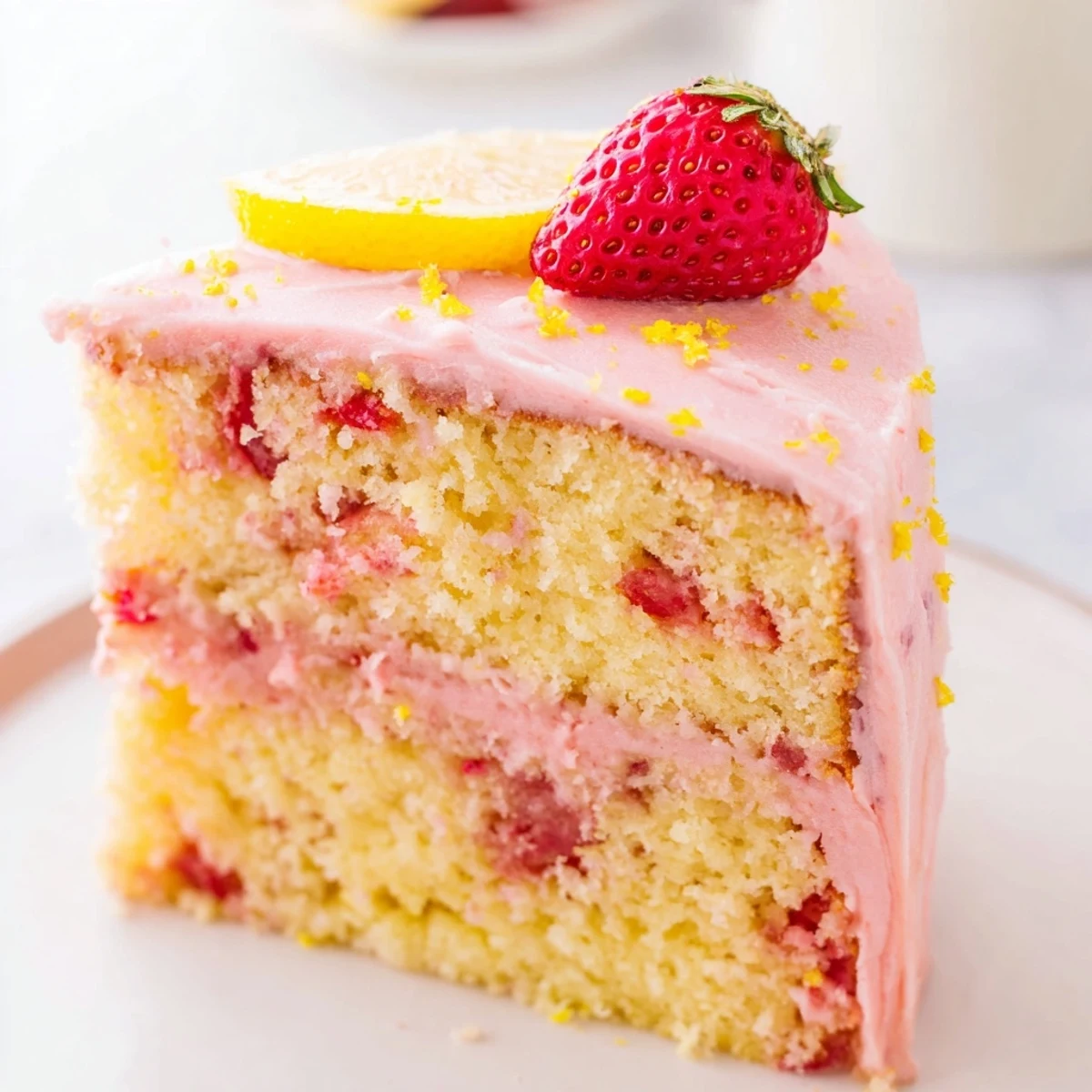
Save The afternoon I served this to my book club, the discussion completely derailed into a debate about whether the frosting or the cake itself was the star, and nobody ever did finish talking about the assigned novel. Sometimes dessert simply wins.
Storing and Making Ahead
This cake actually improves after resting overnight in the refrigerator as the lemon syrup settles into the crumb and everything melds together into something even more cohesive and flavorful. You can also bake the layers separately, wrap each one tightly in plastic wrap, and freeze them for up to a month before thawing and frosting whenever the occasion calls for something bright and celebratory.
What If I Want a Pinker Cake
A single drop of natural pink food coloring in the batter transforms the interior into the prettiest blush tone without affecting the flavor at all, which is a lovely touch for baby showers or spring gatherings. The strawberry puree in the frosting already gives the outside a soft rose tint, so the inside can match if you want the full visual effect when you cut into the first slice.
Tools That Make This Easier
An electric mixer saves your arm during the creaming step and delivers better aeration than hand mixing ever could, though I have done it by hand in a pinch and simply regretted it briefly. Parchment paper rounds on the bottom of your pans are non-negotiable insurance against sticking.
- Measure the flour by spooning into the cup and leveling off rather than plunging the cup directly into the bag.
- Let the frosted cake sit in the fridge for twenty minutes before serving so the frosting firms up into clean, sliceable layers.
- Always taste your strawberries before baking because a bland batch will give you a bland cake regardless of everything else you do right.
 Save
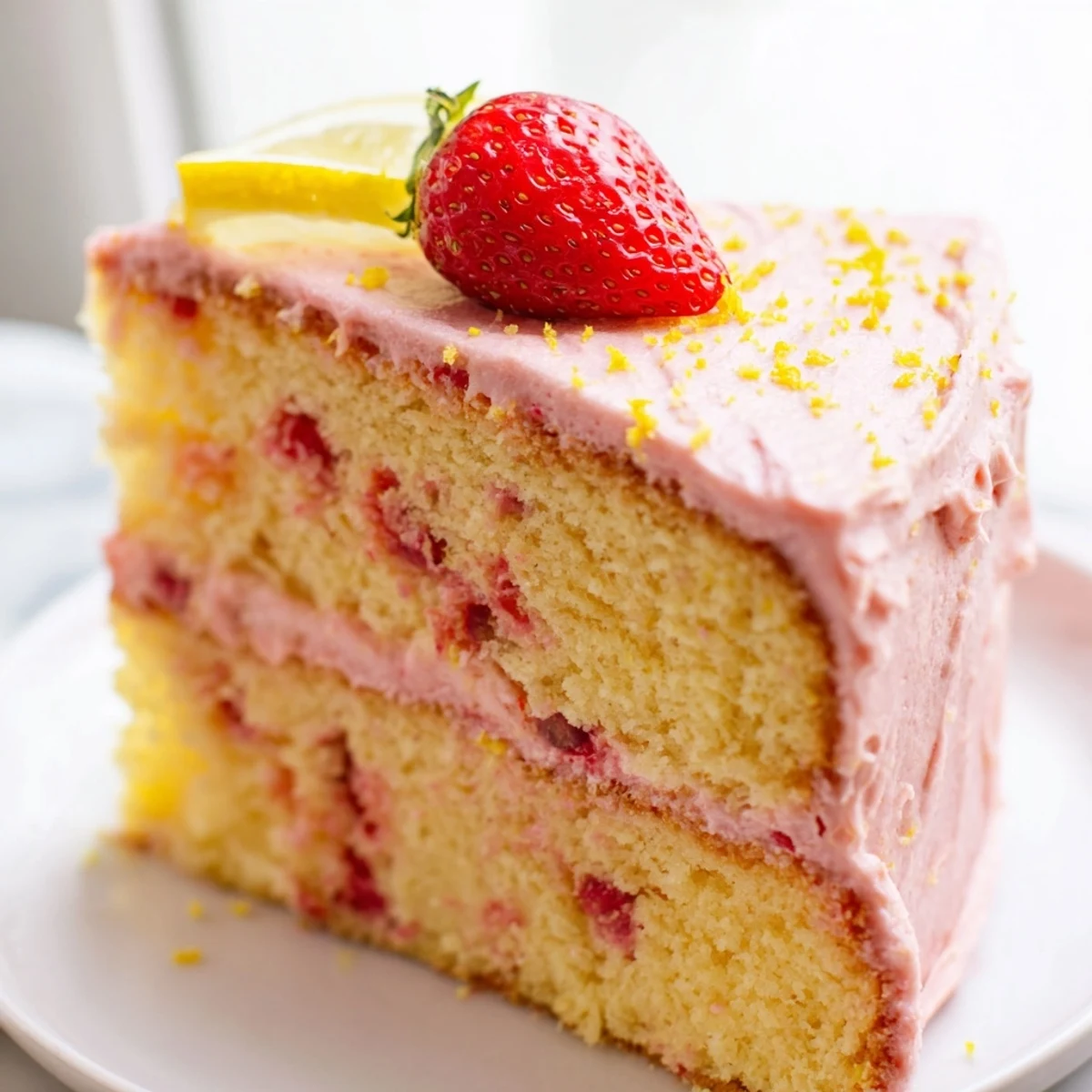
Save Every time I make this cake I think of Frank and his unruly strawberry patch, and I have never once managed to bring home leftovers. Some recipes just become part of your story.
Recipe FAQs
- → Can I use frozen strawberries instead of fresh?
-
Yes, frozen strawberries work well in the cake batter. Thaw them completely and pat dry with paper towels to remove excess moisture before dicing and folding into the batter. For the strawberry puree in the frosting, frozen berries blend smoothly after thawing.
- → How do I store this cake?
-
Store the assembled cake in an airtight container or under a cake dome in the refrigerator for up to 4 days. Let it sit at room temperature for about 30 minutes before serving to soften the frosting and bring out the best flavor and texture.
- → Can I make the cake layers ahead of time?
-
Absolutely. Bake the cake layers, let them cool completely, then wrap each tightly in plastic wrap. They can be refrigerated for up to 3 days or frozen for up to one month. Thaw frozen layers in the refrigerator overnight before frosting.
- → What can I substitute for buttermilk?
-
If buttermilk isn't available, add 1 tablespoon of lemon juice or white vinegar to 1 cup of regular milk. Let it sit for 5 minutes until slightly curdled, then use it as directed. This provides the same acidity that helps the cake rise properly and keeps it tender.
- → Why did my strawberries sink to the bottom?
-
Strawberries can sink if the pieces are too large or if the batter is too thin. Dice strawberries into small, uniform pieces about the size of a pea. You can also toss them in a light dusting of flour before folding them in, which helps them stay suspended throughout the cake.
- → Can I make this as a sheet cake instead?
-
Yes, you can bake the batter in a greased 9x13-inch pan. Bake at 350°F for about 30 to 35 minutes until a toothpick inserted in the center comes out clean. The frosting amount should be sufficient to cover the top of a single sheet cake layer.