
 Save
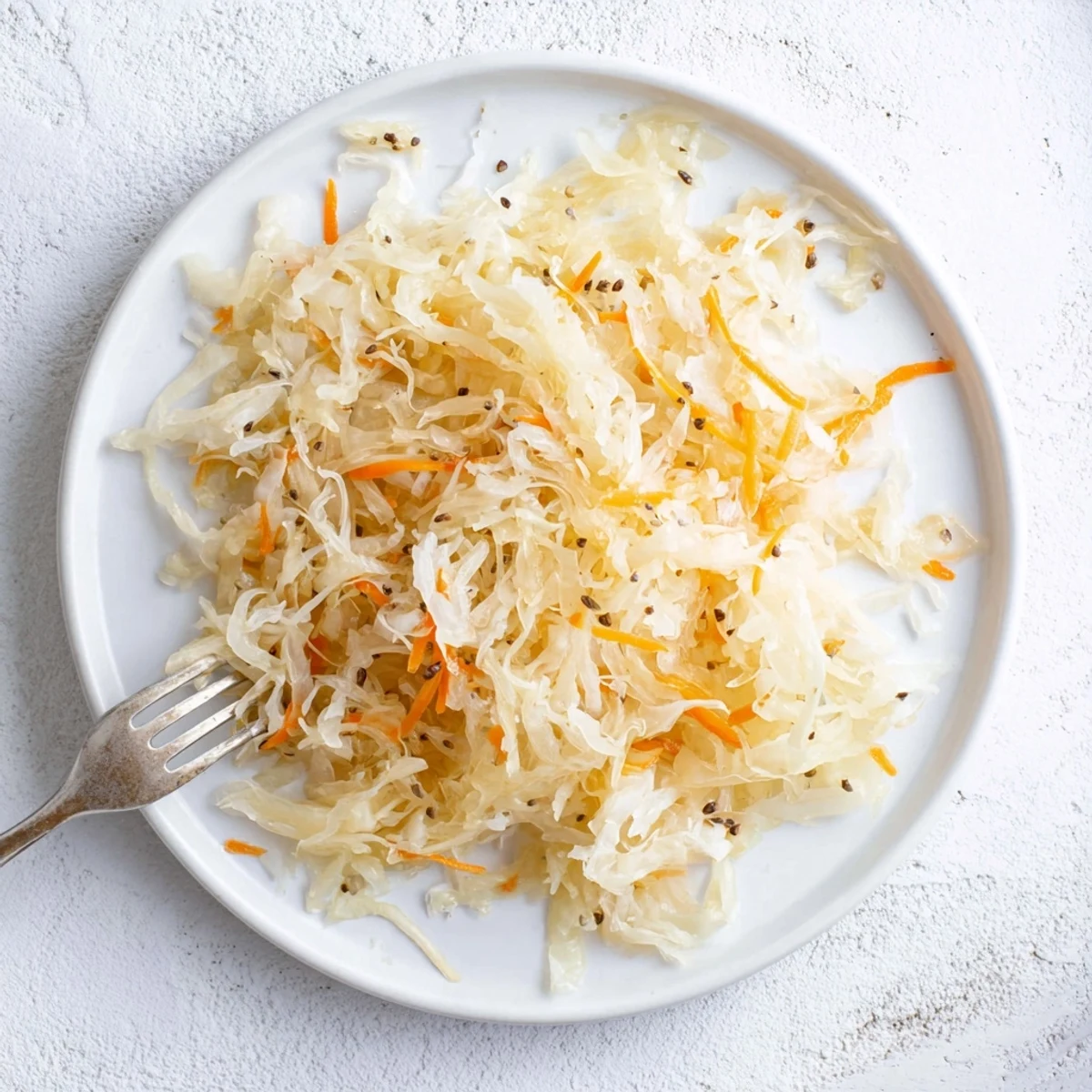
Save Create authentic German sauerkraut using traditional fermentation methods. This classic preparation transforms shredded white cabbage and sea salt into a tangy, probiotic-rich condiment through natural lacto-fermentation. The process requires approximately 30 minutes of active preparation, followed by 7 to 21 days of fermentation time at room temperature.
Massage salt into shredded cabbage until natural juices release, then pack tightly into a fermentation vessel. Keep vegetables fully submerged under liquid throughout fermentation. Taste after one week and continue fermenting until desired tanginess develops. The longer fermentation continues, the more pronounced the sour flavor becomes.
Enjoy homemade sauerkraut chilled or at room temperature as a versatile side dish. Serve alongside bratwurst, pork chops, or roasted potatoes for an authentic German dining experience. Pairs beautifully with crisp Riesling wine.
My grandmother kept a massive ceramic crock in her cellar that smelled like the earth after rain, sharp and alive with something I could not name as a child. She would scoop out fistfuls of pale golden cabbage and pile it next to roasted sausages every Sunday, and I thought she had performed some kind of kitchen magic. Years later I realized the only trick was patience and salt.
One autumn I decided to make a batch in my tiny apartment kitchen and the smell drove my roommate to spend three hours at a coffee shop, but she came home eating forkfuls straight from the jar and apologized for ever doubting me.
Ingredients
- 2 kg white cabbage: Choose a heavy, dense head with crisp outer leaves because softer cabbage will not release enough liquid for a proper ferment.
- 30 g fine sea salt: This ratio is critical and too little salt invites mold while too much kills the good bacteria.
- 1 tablespoon caraway seeds (optional): These add a warm earthy note that feels deeply traditional and rounds out the sharp acidity.
- 1 grated carrot or thinly sliced apple (optional): Either one brings a subtle sweetness that balances the sour beautifully.
Instructions
- Prep the cabbage:
- Peel away any wilted or damaged outer leaves then quarter the head, carve out the tough core, and slice the quarters as thin and even as you can manage.
- Salt and massage:
- Toss the shredded cabbage with salt in a very large bowl and then work it with your hands for five to ten minutes, squeezing and pressing until the cabbage wilts and pools of briny juice collect at the bottom.
- Add optional flavors:
- Scatter in caraway seeds, grated carrot, or sliced apple now and mix thoroughly so everything is evenly distributed before packing.
- Pack it tight:
- Transfer the cabbage and every drop of liquid into your sterilized crock or jar, pressing down hard with your fists or a tamper until the brine rises above the cabbage level.
- Weigh it down:
- Rest a fermentation weight or a clean water filled jar on top of the cabbage to keep every shred completely submerged beneath the brine.
- Cover and wait:
- Drape a cloth or secure a fermentation lid over the vessel and find a cool dark spot between 18 and 22 degrees where it can sit undisturbed.
- Taste and finish:
- Start tasting after seven days and when the tang hits exactly the note you love, move the jar to the fridge to halt further fermentation.
 Save
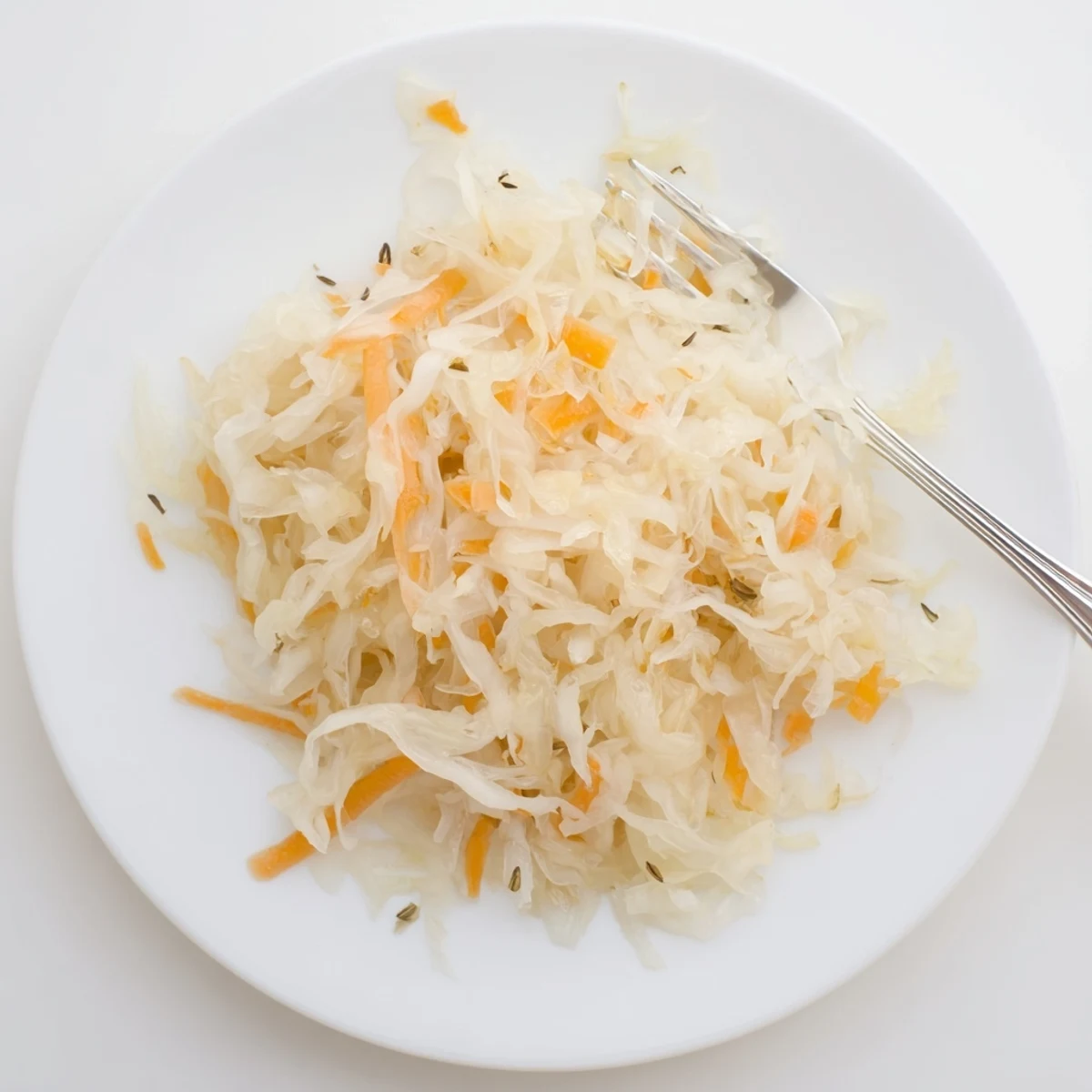
Save I once brought a jar of homemade sauerkraut to a neighborhood potluck and watched a quiet German man close his eyes after the first bite, nod slowly, and tell me it tasted like his mothers kitchen in Bavaria.
Getting the Salt Ratio Right
The trick I learned after ruining an entire head of cabbage is to weigh your salt precisely on a kitchen scale rather than measuring by spoonfuls because different salts pack differently and precision here separates success from a slimy mess.
How to Know When It Is Done
Start tasting at the one week mark using a clean fork, never your fingers, and trust your own palate over any timeline because room temperature, cabbage variety, and even humidity can speed up or slow down the process dramatically.
Serving and Storing Your Kraut
Properly fermented sauerkraut will keep in the refrigerator for several months, though in my experience it rarely lasts that long because you will find yourself piling it onto sandwiches, scrambled eggs, and roasted potatoes without thinking about it.
- Always use a clean utensil each time you scoop from the jar to avoid introducing unwanted bacteria.
- Pair it with a cold glass of off dry Riesling and you will understand why this combination has endured for centuries.
- If the top layer discolors or smells off trust your instincts and discard only that layer, the rest underneath is almost always fine.
 Save
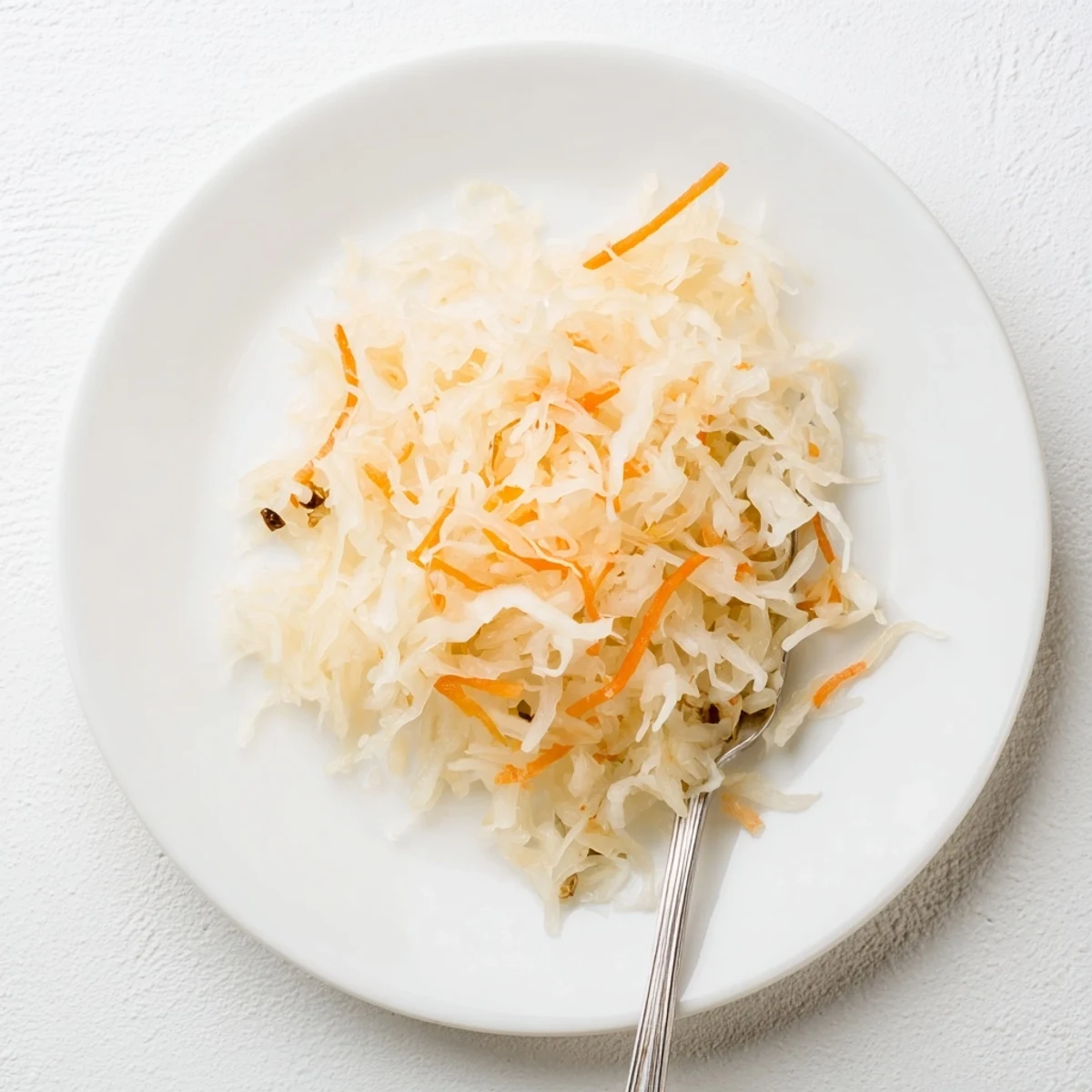
Save There is something deeply satisfying about transforming nothing more than cabbage and salt into something so complex and nourishing. Your future self will thank you every time you crack open that jar.
Recipe FAQs
- → How long does sauerkraut need to ferment?
-
Fermentation typically takes 7 to 21 days depending on temperature and desired sourness. Begin tasting after one week. Warmer environments (around 20°C/68°F) ferment faster, while cooler spaces slow the process. Longer fermentation produces more pronounced tangy flavor.
- → Why is salt necessary for making sauerkraut?
-
Salt creates an environment where beneficial lactic acid bacteria thrive while harmful bacteria cannot survive. The ratio of approximately 15 grams salt per kilogram of cabbage ensures proper fermentation. Salt also helps draw water out of cabbage cells, creating the natural brine needed for submersion.
- → What signs indicate spoiled sauerkraut?
-
Discard sauerkraut if you notice mold growth (fuzzy or colorful patches), extremely unpleasant odors beyond normal fermentation smells, or slimy texture. Pink or dark discoloration may indicate oxidation or bacterial issues. Properly fermented sauerkraut smells tangy and sour, not rotten.
- → Can I use iodized salt for fermentation?
-
Avoid iodized salt as iodine may inhibit beneficial bacteria necessary for fermentation. Use pure sea salt, pickling salt, or kosher salt without anti-caking agents. These unrefined salts provide minerals that support healthy bacterial growth and proper fermentation.
- → Should sauerkraut bubble during fermentation?
-
Yes, bubbling indicates active fermentation as beneficial bacteria produce carbon dioxide. This is completely normal and shows the process is working correctly. You may notice hissing sounds when opening jars and tiny bubbles rising in the brine. Bubbling typically decreases as fermentation slows.
- → How do I store sauerkraut after fermentation?
-
Once desired flavor develops, transfer sauerkraut to the refrigerator. Cold temperatures slow fermentation dramatically, preserving flavor and texture. Properly refrigerated sauerkraut lasts 4-6 months. Always use clean utensils to remove portions to prevent contamination.