
 Save
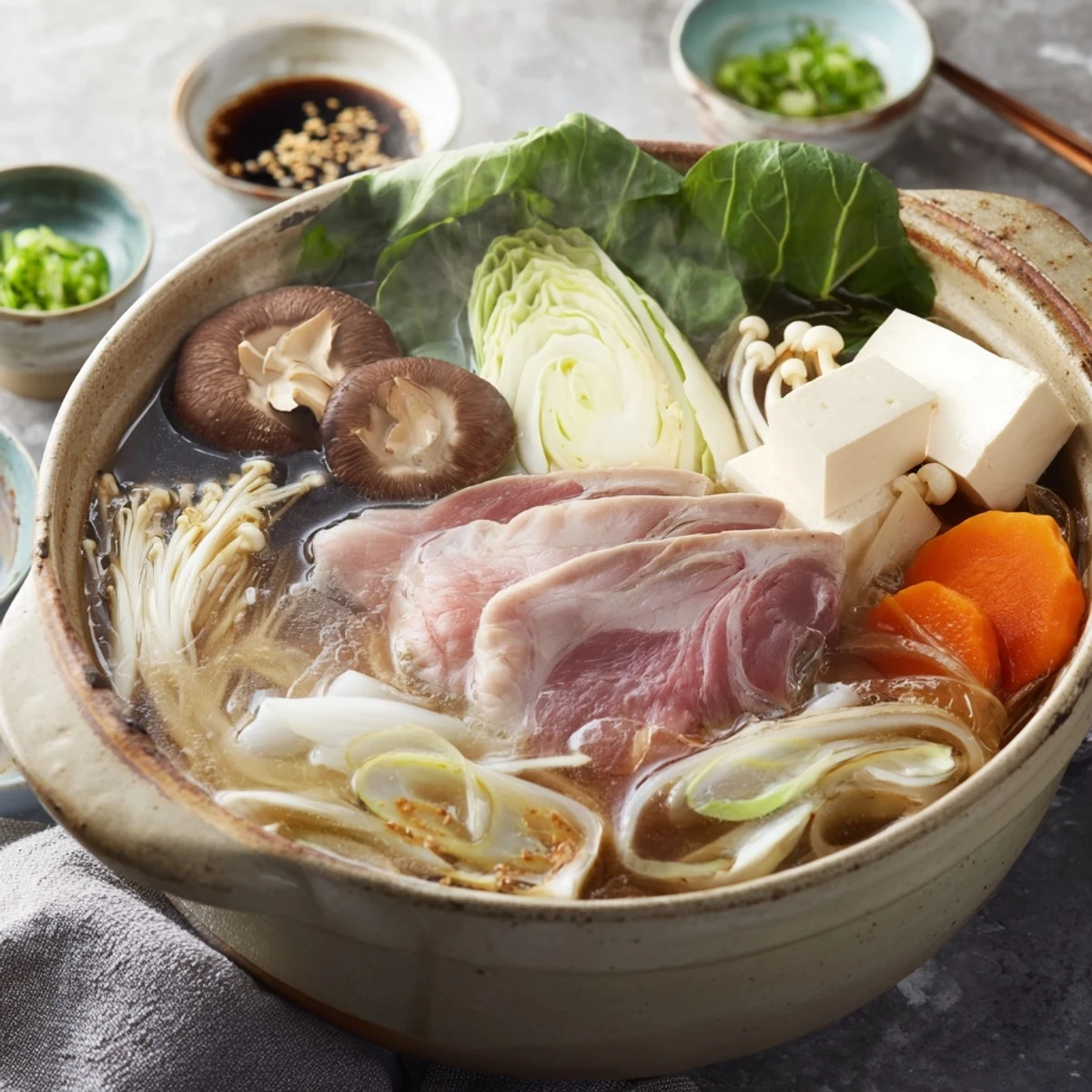
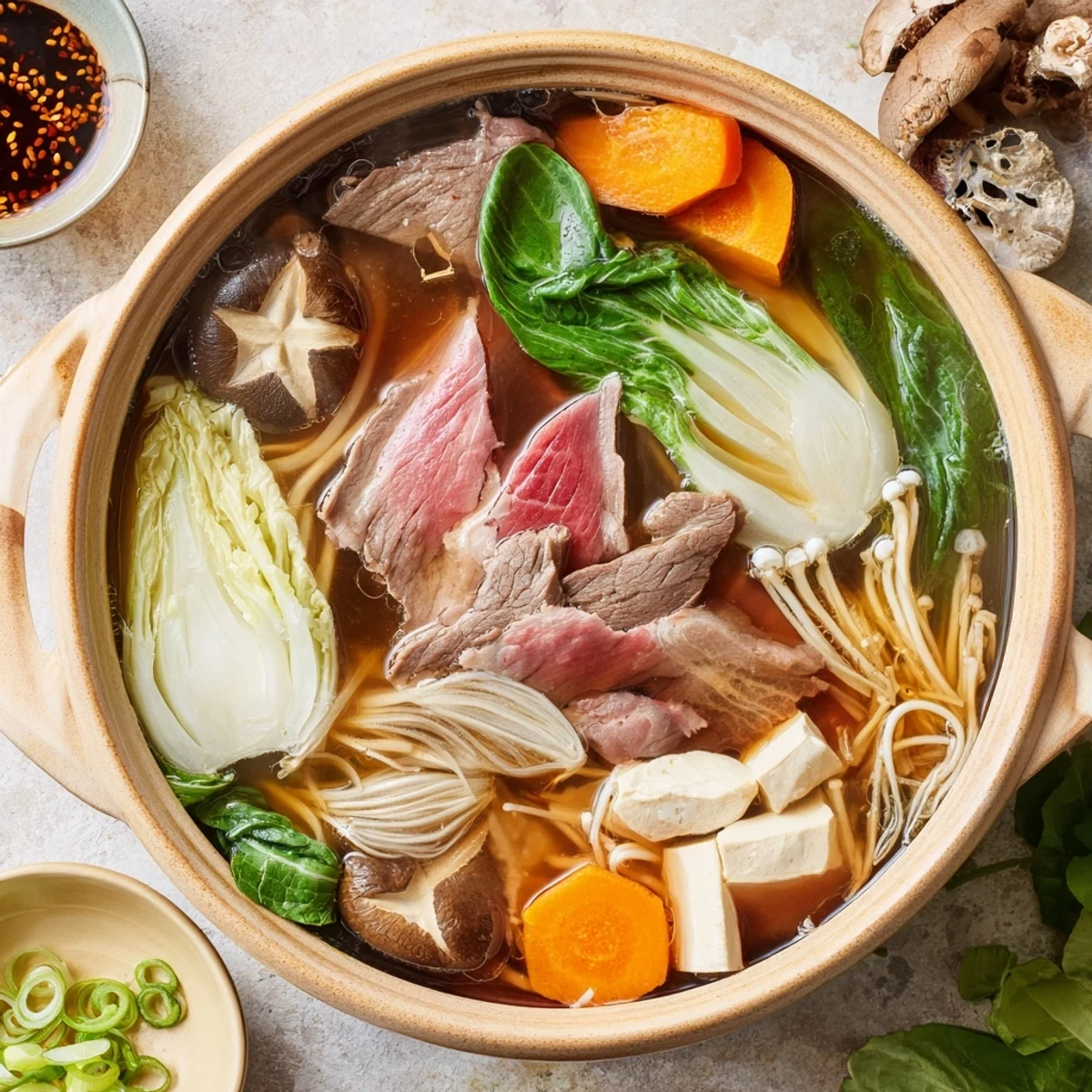
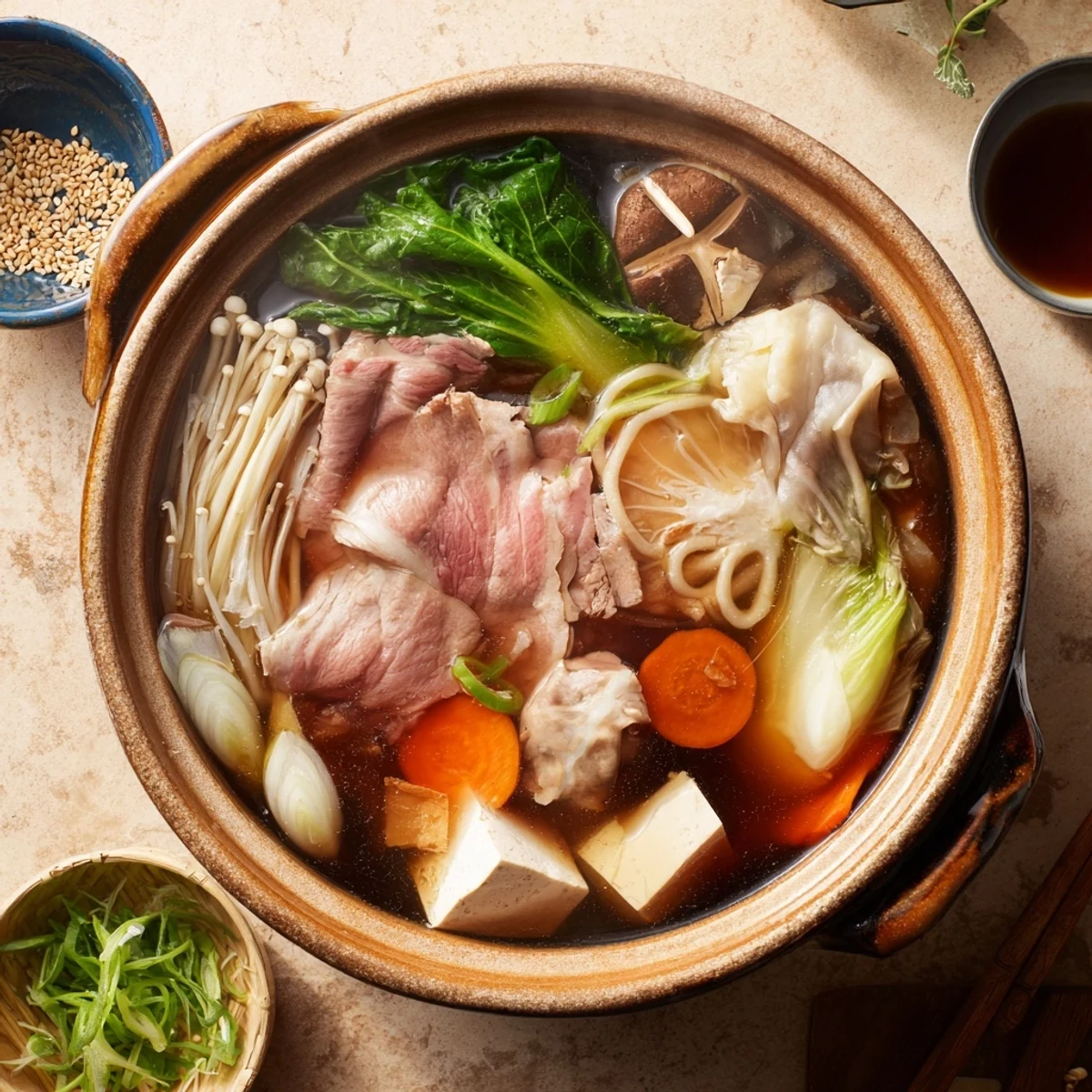
Save Transform your dining table into an authentic Japanese experience with shabu shabu, where thinly sliced beef sirloin, pork, fresh vegetables like Chinese cabbage and spinach, shiitake and enoki mushrooms, plus silken tofu are swished gently in a aromatic dashi and kombu broth.
The communal cooking method brings everyone together as diners cook their own selections at the table, then dip each piece into zesty ponzu or rich sesame sauce. The meal culminates with udon noodles added to the flavorful broth for a satisfying finish.
Ready in just 40 minutes with 20 minutes of prep, this dairy-free dish serves four people perfectly and offers endless variations with chicken, seafood, or additional seasonal vegetables.
My first winter in Tokyo changed everything about how I thought about dinner. A new friend invited me over for what she called cooking together, but really meant everyone gathered around a bubbling pot at the table, swishing meat in broth while the steam fogged up the windows. The ritual of it, the conversation flowing as naturally as the cooking, felt like the most civilized way to share a meal.
I hosted my first shabu shabu night during a terrible February, when everyone I knew seemed drained and gray. Watching my guests lean in, shoulders relaxing as they dipped and chatted, I realized food doesnt have to be fancy to be restorative. Someone accidentally dropped a piece of beef in the broth and we all laughed like it was the best joke of the year.
Ingredients
- 8 cups dashi stock or low-sodium chicken broth: The foundation of everything, so buy the best quality you can find or make it from scratch if you have time
- 2-inch piece kombu dried kelp: This adds that subtle ocean depth that makes Japanese broth taste authentic, but dont let it boil or it gets bitter
- 400 g thinly sliced beef sirloin or ribeye: Ask your butcher to slice it paper thin or freeze it for 20 minutes before cutting yourself
- 200 g thinly sliced pork loin optional: Adds nice variety if your group prefers lighter meats
- 1/2 Chinese cabbage: The sweetness balances the savory broth perfectly
- 1 bunch spinach trimmed: Use baby spinach if you can find it, it wilts more elegantly
- 1 large carrot thinly sliced: Cut these on a diagonal for pretty presentation
- 200 g shiitake mushrooms stems removed: Fresh ones give better flavor than dried here
- 200 g enoki mushrooms trimmed: These bundle beautifully and feel special to cook
- 1 leek sliced diagonally: The sweetness intensifies as they simmer
- 1 block tofu firm or silken: Cut into cubes that are easy to fish out with chopsticks
- 200 g udon noodles pre-cooked or fresh: These soak up all that precious broth at the end
- 1/2 cup ponzu sauce: Bright and citrusy, perfect for lighter ingredients
- 1/2 cup sesame sauce goma dare: Creamy and rich, my favorite for the beef
- 2 green onions finely sliced: These add a fresh bite to every dip
- 2 tbsp toasted sesame seeds: Toast them right before serving for maximum fragrance
Instructions
- Prepare the broth foundation:
- Place the kombu in the dashi stock and heat gently until just before boiling, then remove the kelp carefully
- Create your table display:
- Arrange meats, vegetables, tofu and noodles on large platters, grouping them by type and making everything look abundant and inviting
- Set the stage:
- Place a portable burner at your dining table and position the simmering pot where everyone can reach
- The shabu shabu technique:
- Each person swishes their chosen meat or vegetables through the bubbling broth using chopsticks, literally seconds for the beef, slightly longer for veggies
- The dipping moment:
- Transfer each cooked piece to your small bowl and give it a quick dip in either ponzu for brightness or sesame sauce for richness
- The grand finale:
- Add the udon noodles to the remaining broth and let them simmer until theyve absorbed all that concentrated flavor
- Finish with flair:
- Sprinkle green onions and sesame seeds over everything just before diving in
 Save
Save That winter night became a monthly tradition, different faces around the same pot, but always that same cozy atmosphere. I learned that some recipes are less about the food and more about creating a space where people can slow down together.
Setting Up Your Station
Give everyone their own small dipping bowl and arrange the sauces within easy reach. I learned to place a damp towel at each setting too, because drips are inevitable and no one should worry about mess.
Timing Your Flow
Start with the vegetables and lighter ingredients before moving to the meats. The broth develops more depth as the night goes on, so save those udon noodles for when the liquid has transformed into something extraordinary.
Making It Your Own
Theres beauty in improvising with whatever looks fresh at the market. Thinly sliced chicken works beautifully, and Ive had great success with shrimp or even chunks of salmon for a pescatarian version.
- Keep some extra broth warm on the stove in case you need a refill
- Have a slotted spoon ready for anyone struggling with chopsticks
- Remind guests that the tofu needs extra time in the broth
 Save
Save Some meals feed the body, but shabu shabu feeds something deeper, the part of us that craves connection and warmth and the simple pleasure of cooking together.
Recipe FAQs
- → What does shabu shabu mean?
-
Shabu shabu translates to 'swish swish' in Japanese, referring to the gentle swishing motion used to cook the thinly sliced meat and vegetables in the simmering broth. The name comes from the sound made when ingredients are moved through the hot dashi stock.
- → What meat works best for shabu shabu?
-
Thinly sliced beef sirloin or ribeye is traditional, as the thin cuts cook almost instantly in the hot broth. Pork loin is also excellent, and you can substitute with chicken or seafood for variety. The key is having the meat sliced paper-thin so it cooks quickly and remains tender.
- → Can I make shabu shabu vegetarian?
-
Absolutely. Simply use kombu dashi instead of fish-based dashi stock, and omit all meats. Load up on extra vegetables like Chinese cabbage, spinach, carrots, various mushrooms, tofu, and noodles. The dipping sauces provide plenty of flavor even without meat.
- → What's the difference between shabu shabu and Sukiyaki?
-
While both are Japanese hot pot dishes, shabu shabu uses a light, savory dashi broth cooked at the table, while sukiyaki features a sweet-savory soy sauce-based broth typically cooked in the kitchen first. Shabu shabu emphasizes dipping sauces, whereas sukiyaki ingredients are already seasoned in the pot.
- → Do I need special equipment for shabu shabu?
-
Traditional shabu shabu requires a portable burner or induction cooktop to place on your dining table, plus a large pot like a Japanese nabe. Regular chopsticks work well, though longer chopsticks or small slotted ladles help when cooking in hot broth. A good knife is essential for slicing ingredients thinly.
- → How do you eat shabu shabu properly?
-
Using chopsticks, swish small pieces of meat or vegetables through the simmering broth for just 5-10 seconds until cooked through. Remove from the broth, dip into either ponzu sauce for a citrusy tang or sesame sauce for rich nuttiness, then eat immediately. End the meal by adding udon noodles to soak up the flavorful remaining broth.