
 Save
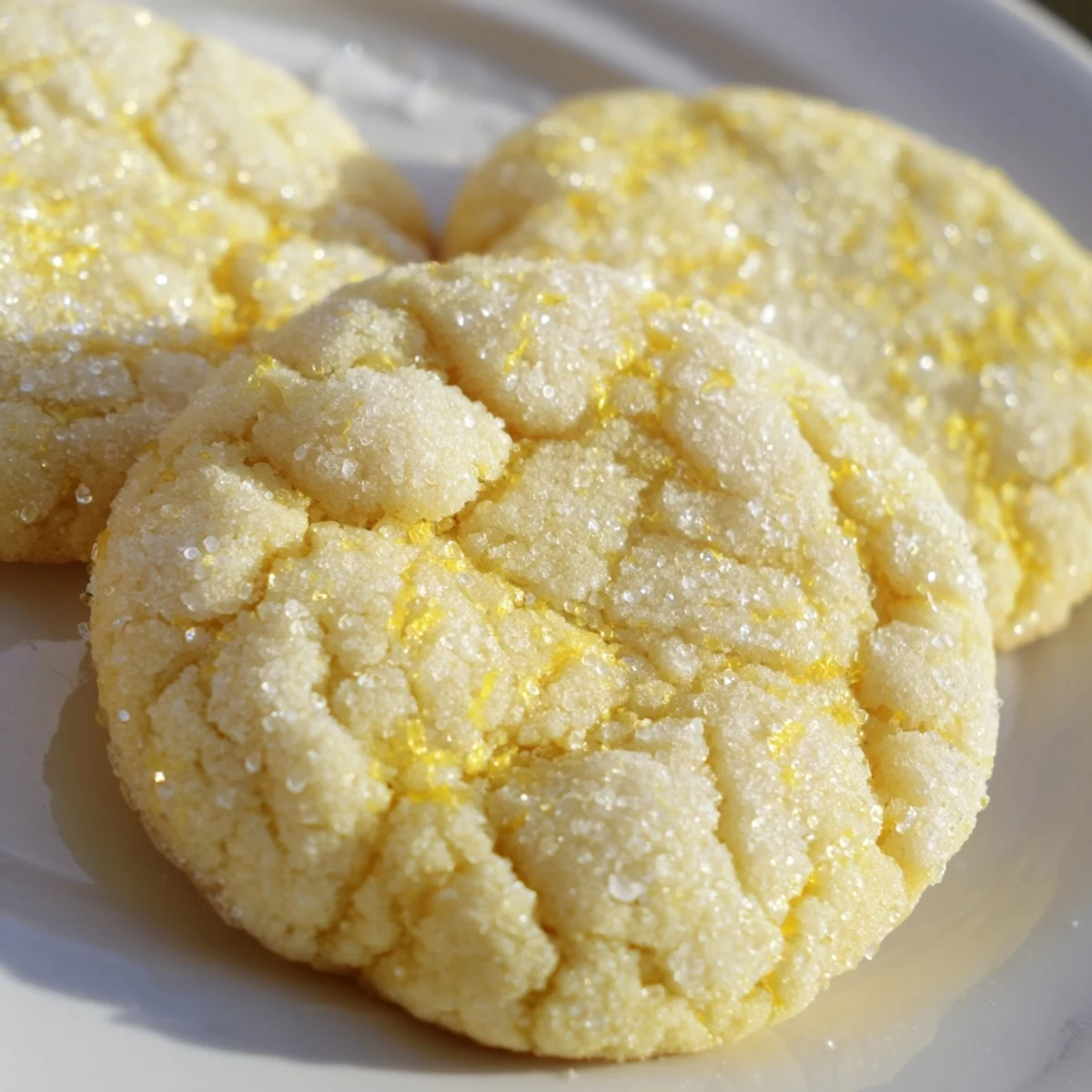
Save These lemon sugar cookies combine the classic appeal of buttery sugar cookies with bright, fresh citrus flavor. The dough comes together quickly with pantry staples, plus fresh lemon zest and juice for that signature zesty taste.
Each cookie is rolled in granulated sugar before baking, creating a delightfully crisp exterior that contrasts with the soft, tender center. The result is a perfectly balanced treat—not too sweet, with just the right amount of lemony brightness to make them feel special.
Perfect for spring gatherings, afternoon tea, or whenever you crave something bright and comforting. These cookies store beautifully and stay soft for days.
The February rain was pelting against my kitchen window last Tuesday when I suddenly needed something bright and cheerful to chase away the gray. I grabbed three lemons from the counter and started zesting, the citrus perfume filling the whole apartment before I'd even creamed the butter. My roommate wandered in, drawn by the smell, and asked if I was making a lemon cake. When I told her these were just sugar cookies, she looked skeptical until the first batch came out of the oven.
I brought a batch to my cousin's baby shower last spring, and her aunt kept asking for the recipe. I tried to explain how simple they were, but she didn't believe me until I walked her through it right there at the kitchen island. Three people have since told me these became their go-to cookie for bake sales and potlucks.
Ingredients
- All-purpose flour: This provides the structure and I learned not to pack it down when measuring or the cookies turn out dense
- Baking soda: Just enough to give them a subtle lift without making them cakey or puffy
- Salt: A tiny pinch makes all that lemon and sugar really sing without tasting salty
- Unsalted butter: Room temperature is nonnegotiable here because cold butter wont cream properly with the sugar
- Granulated sugar: Creates that crisp edge while keeping centers soft and chewy
- Lemon zest: Use a microplane and only grate the yellow part since the white pith gets bitter
- Egg: Adds richness and helps bind everything together beautifully
- Fresh lemon juice: Brightens the whole flavor profile and cuts through the butter
- Vanilla extract: Rounds out all the citrus notes and adds warmth
- Extra granulated sugar: Rolling the dough balls in this creates that irresistible crackly sparkly top
Instructions
- Get your oven ready:
- Preheat to 350°F and line two baking sheets with parchment paper so nothing sticks and cleanup is effortless
- Mix your dry ingredients:
- Whisk the flour, baking soda, and salt in a medium bowl until everything is evenly distributed
- Cream the butter and sugar:
- Beat them together for 2 to 3 minutes until the mixture looks pale and fluffy, which creates the perfect texture
- Add the flavor:
- Mix in the lemon zest, egg, lemon juice, and vanilla until everything is fully incorporated and the batter smells amazing
- Combine everything:
- Gradually add the dry ingredients and mix just until you cant see flour anymore, being careful not to overwork the dough
- Shape the cookies:
- Scoop tablespoon sized balls and roll each one in the extra sugar until thoroughly coated
- Arrange and bake:
- Place them 2 inches apart on your prepared sheets and bake for 9 to 11 minutes until edges are golden and centers are just set
- Cool completely:
- Let them rest on the baking sheet for 5 minutes before moving them to a wire rack so they firm up slightly
 Save
Save My neighbor texted me at 9pm one night saying she needed a pickmeup after a terrible day at work. I dropped off a warm bag of these on her doorstep, and she sent back a photo of an empty plate an hour later with a heart emoji.
Getting the Perfect Texture
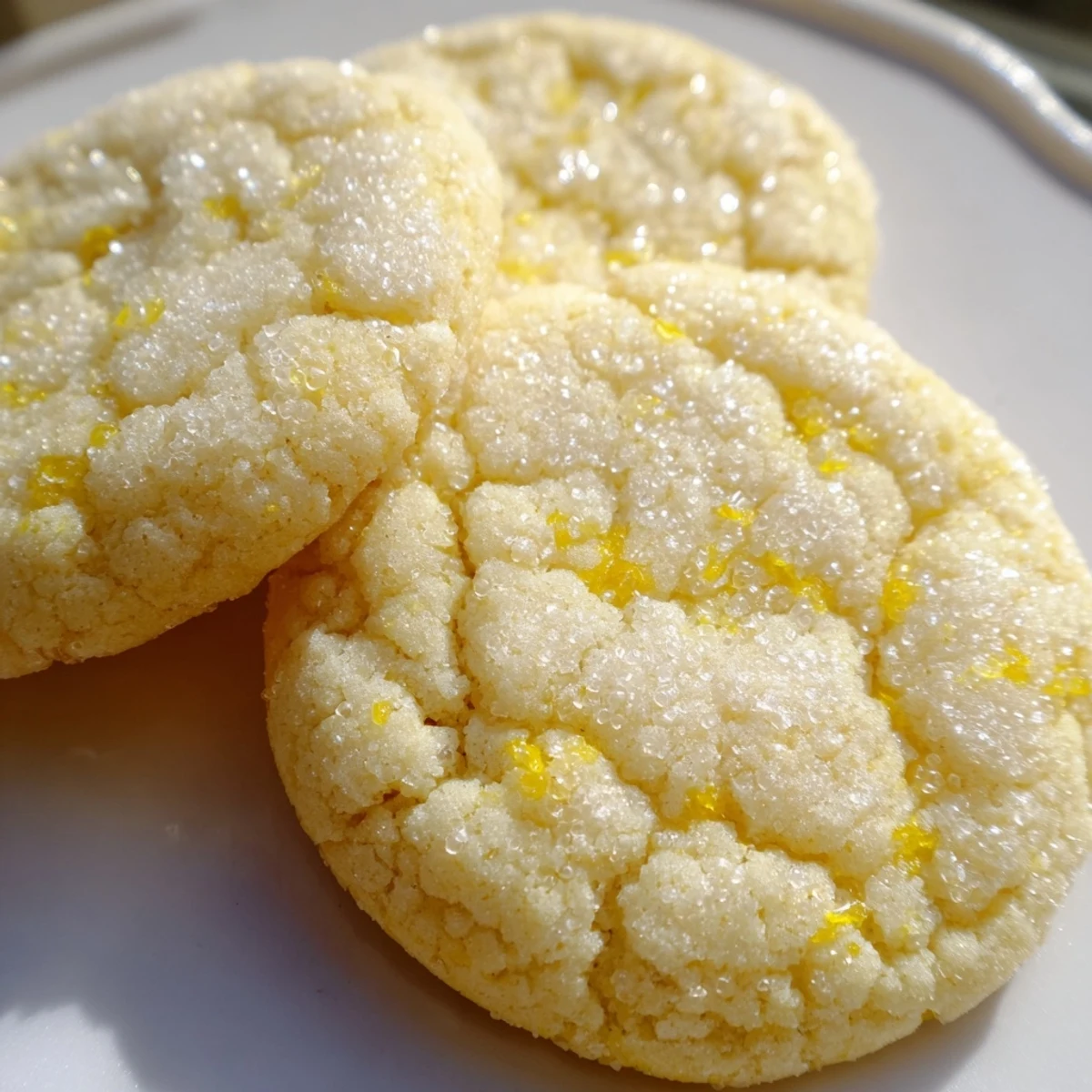
I spent months trying different ratios before landing on this one. Too much butter made them spread into thin wafers, while too little flour left them cakey and soft. This version hits that sweet spot with crispy edges and chewy centers.
Zesting Like a Pro
Press lightly when zesting so you only get the fragrant yellow skin. I used to dig in too deep and ended up with bitter cookies until a chef friend showed me the right technique. Now my zest is perfectly bright and clean.
Making Them Your Own
Sometimes I'll add poppy seeds for a little crunch or drizzle them with a simple lemon glaze once they've cooled. The variations are endless but the original recipe is still my favorite.
- Add a drop of lemon extract if you really want to amp up the citrus flavor
- Try rolling them in colored sugar for holidays or special occasions
- These freeze beautifully so double the batch and save half for later
 Save
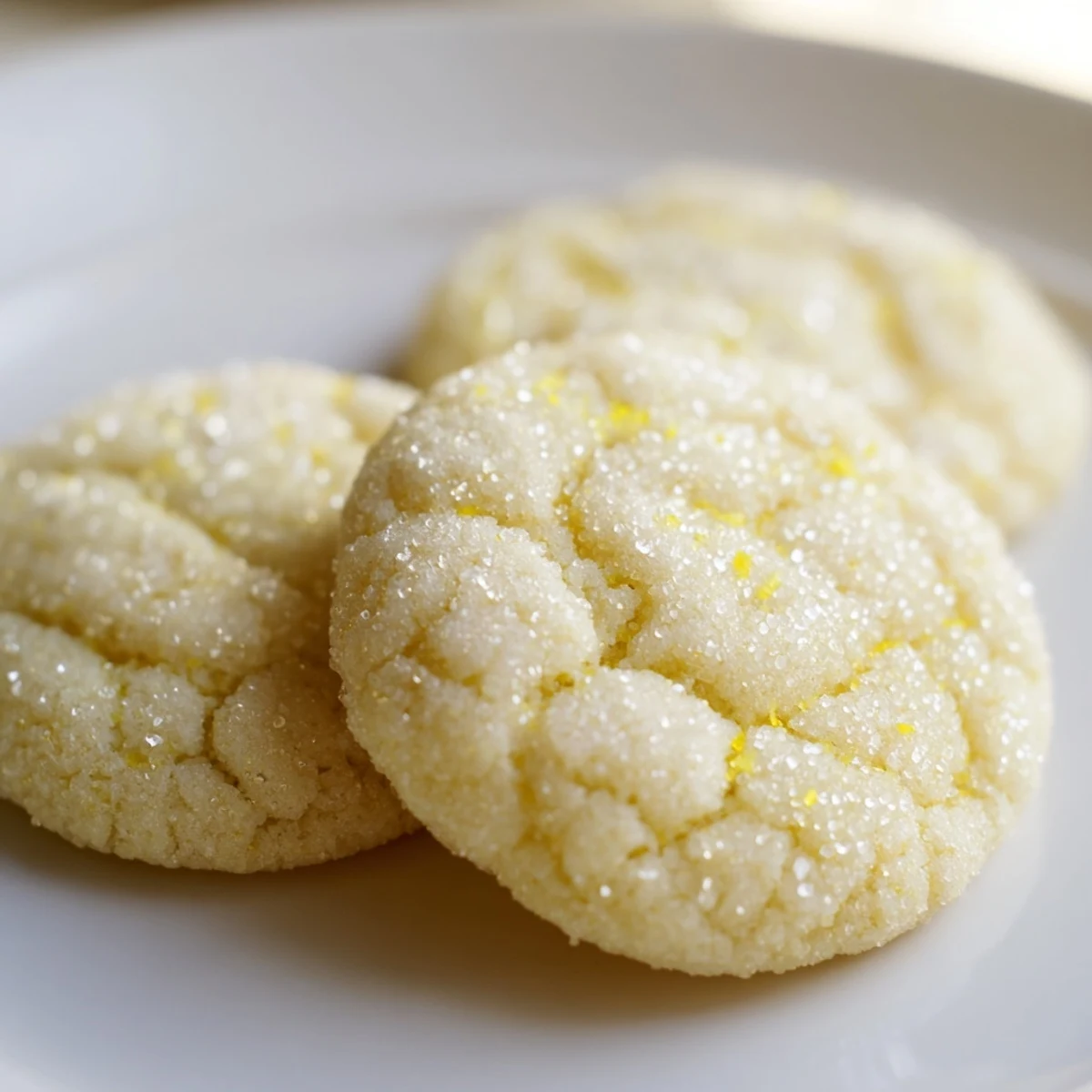
Save There's something about pulling that first tray out of the oven and seeing them slightly puffed with crackly sugary tops. These cookies have become my little sunshine on gray days.
Recipe FAQs
- → How do I get the most lemon flavor in these cookies?
-
Use fresh lemon zest rather than bottled juice for the most intense flavor. The zest contains the essential oils that pack the brightest lemon punch. Rub the sugar and lemon zest together before creaming with butter to release even more aromatic oils.
- → Can I make the dough ahead of time?
-
Absolutely. The dough can be prepared and chilled for up to 3 days before baking. You can also scoop the balls and freeze them unbaked—just add an extra minute or two to the baking time when baking from frozen.
- → Why did my cookies spread too much?
-
This usually happens if the butter was too soft or the dough wasn't chilled before baking. Make sure your butter is at room temperature but not melting. If your kitchen is warm, chill the scooped dough for 15-20 minutes before baking.
- → Can I use bottled lemon juice instead of fresh?
-
Fresh lemon juice is highly recommended for the best flavor, but bottled will work in a pinch. However, always use fresh lemon zest—the bottled variety doesn't have the same aromatic oils that make these cookies special.
- → How should I store these lemon sugar cookies?
-
Store completely cooled cookies in an airtight container at room temperature for up to 5 days. Place parchment paper between layers to prevent sticking. They can also be frozen for up to 3 months—thaw at room temperature.