
 Save
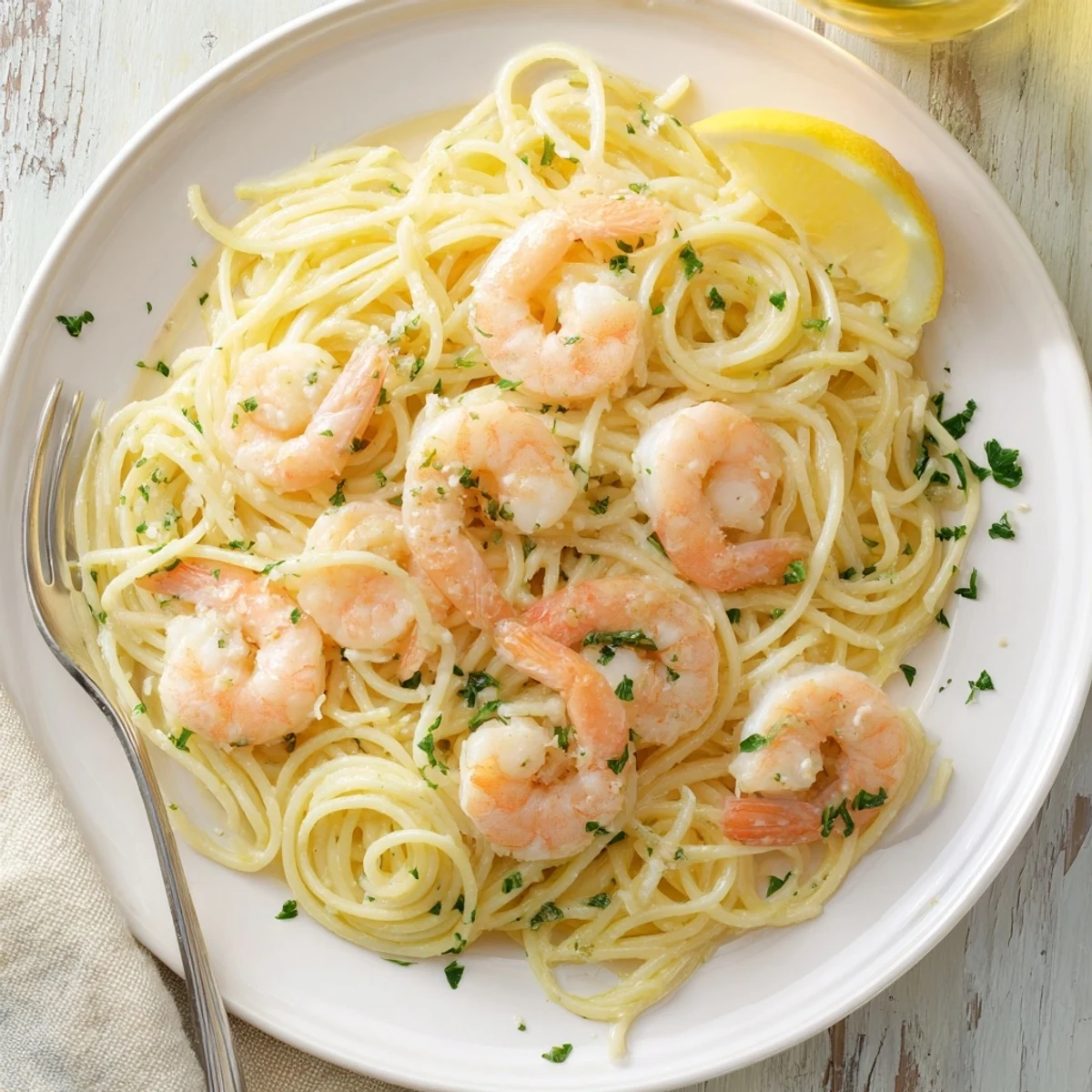
Save This beloved Italian-American dish combines plump, succulent shrimp with perfectly cooked spaghetti in a luxurious sauce built from melted butter, olive oil, and plenty of fragrant minced garlic. A splash of dry white wine deglazes the pan while fresh lemon zest and juice add bright acidity that cuts through the richness. The entire dish comes together in just 30 minutes, making it ideal for quick yet impressive weeknight meals.
Red pepper flakes provide gentle warmth, while a shower of chopped fresh parsley adds color and herbal freshness. Toss everything together, adding splashes of reserved pasta water to create a silky, emulsified sauce that clings beautifully to each strand of pasta.
The first time I made shrimp scampi, I was cooking for a date who happened to be Italian. I'd never worked with shrimp before and was terrified of overcooking them into rubbery little bullets. The moment that garlic hit the butter and filled my tiny apartment with its perfume, I knew something magical was happening regardless of the outcome.
My roommate walked in during the final toss and literally stopped dead in her tracks, asking what smelled so incredible. We ended up eating standing up at the counter because neither of us could wait to set the table properly.
Ingredients
- Large shrimp: I've learned that paying attention to size matters here, and deveining yourself saves money but the prepped ones are worth every penny on busy nights
- Spaghetti or linguine: These long strands catch that silky sauce perfectly, though I've used angel hair in a pinch
- Unsalted butter: Using unsalted lets you control the seasoning since we're adding salt later anyway
- Olive oil: This prevents the butter from burning over higher heat, a trick I picked up after smoking up my kitchen once
- Fresh garlic: Those jarred minced cloves won't give you the same punch, and fresh minces so quickly anyway
- Red pepper flakes: Even if you skip these, keep them on the table because the heat cuts through all that richness beautifully
- Dry white wine: Something you'd actually drink, since the flavor concentrates, though I've used broth in emergencies
- Lemon: Both the juice and zest are non-negotiable, they're what makes this sing instead of just taste heavy
- Fresh parsley: Don't even think about using dried here, the fresh herb brightness is essential
Instructions
- Get your pasta water going first:
- That salted water should taste like the sea, and don't forget to scoop out some pasta water before draining because that starchy liquid is liquid gold
- Build your flavor base:
- Melt the butter into the olive oil over medium high heat, then let those garlic cloves and pepper flakes sizzle just until you can smell them without taking on any color
- Cook the shrimp just right:
- Lay them in a single layer and listen for that sizzle, flipping once they turn pink and opaque because any longer and you'll be chewing rubber
- Make the pan sauce:
- Pour in the wine and let it bubble away while you scrape up any browned bits, then stir in all that bright lemon zest and juice
- Bring it all together:
- Toss the pasta and shrimp back in with that parsley, adding pasta water a splash at a time until everything's glossy and coated
 Save
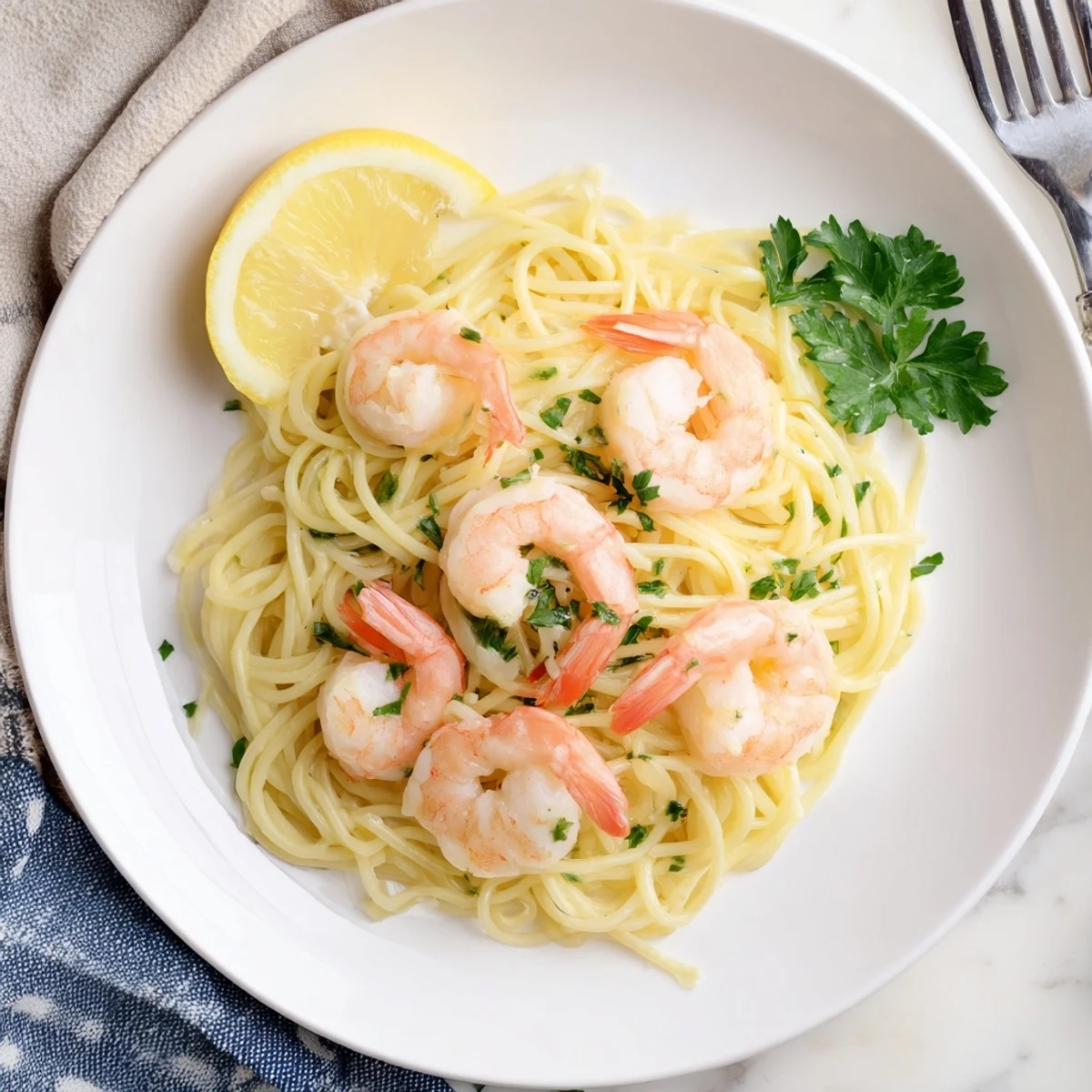
Save This became my go-to dinner for friends who say they don't cook because it looks so impressive but comes together so fast. Something about tossing pasta in a skillet makes me feel like I'm in an Italian grandmother's kitchen, no matter how small my actual apartment is.
Choosing Your Wine
I used to think any white wine would work, but after trying a particularly oaky Chardonnay once, I learned the hard way that crisp and light is the way to go. A Sauvignon Blanc or Pinot Grigio lets the other flavors shine instead of fighting with them.
Making It Your Own
Cherry tomatoes have become my secret addition, popping into little bursts of sweetness that contrast all that garlic and butter. Sometimes I'll throw in spinach during the last toss just to feel better about serving nothing but carbs and seafood.
Serving Suggestions That Work
A crisp green salad with an acidic vinaigrette helps cut through all that richness, and a crusty baguette for sopping up sauce is practically mandatory. I've found that people will fight over the last spoonful of sauce, so maybe double the recipe from the start.
- Set out extra lemon wedges because some people love that extra sour kick
- Keep red pepper flakes on the table for the heat seekers
- Have some crusty bread ready because that sauce is too good to waste
 Save
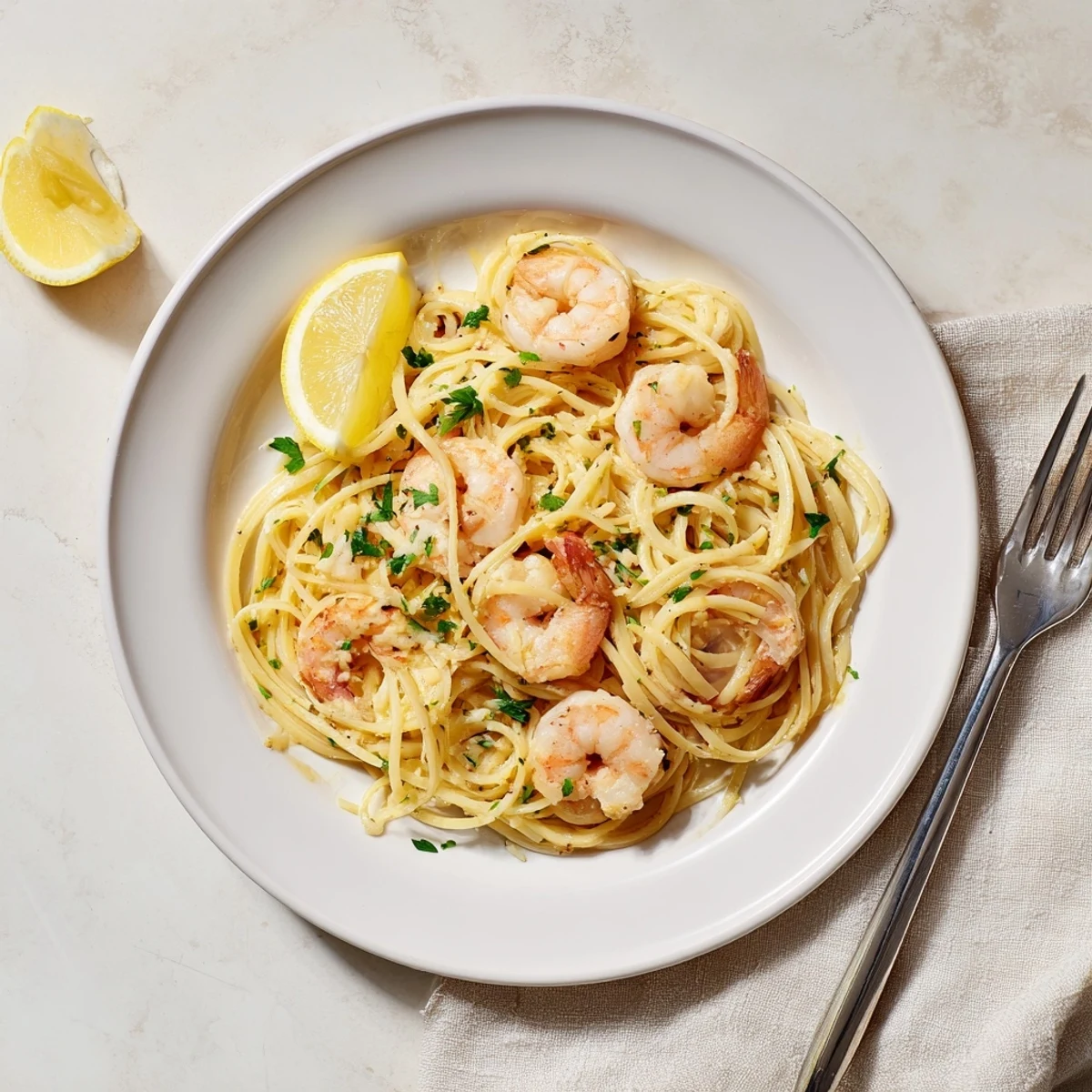
Save There's something deeply satisfying about a dish that comes together this quickly but tastes like it took all day to perfect. Maybe that's the real magic of scampi, it's just simple ingredients treated with respect and attention.
Recipe FAQs
- → What type of white wine works best for scampi?
-
Dry whites like Sauvignon Blanc, Pinot Grigio, or Chardonnay provide ideal acidity and brightness. Avoid sweet wines as they'll alter the sauce's balance.
- → Can I use frozen shrimp instead of fresh?
-
Absolutely. Thaw frozen shrimp completely in the refrigerator or under cold running water, then pat very dry before cooking to prevent excess moisture in the sauce.
- → Why is pasta water important for this dish?
-
The starchy pasta water helps emulsify the butter and wine into a silky, cohesive sauce that adheres to the pasta rather than separating. Add it gradually while tossing.
- → How do I prevent the shrimp from becoming rubbery?
-
Cook shrimp just until they turn pink and opaque—about 1-2 minutes per side. Overcooking makes them tough and rubbery. Remove them from the pan immediately when done.
- → What can I substitute for white wine?
-
Seafood broth or chicken stock work well as non-alcoholic alternatives. You may want to add an extra squeeze of lemon juice to maintain the bright, acidic balance.
- → Can I make this dish ahead of time?
-
Shrimp scampi is best enjoyed immediately, as the sauce separates when reheated and shrimp can toughen. Prep ingredients in advance, but cook just before serving for optimal texture and flavor.