
 Save
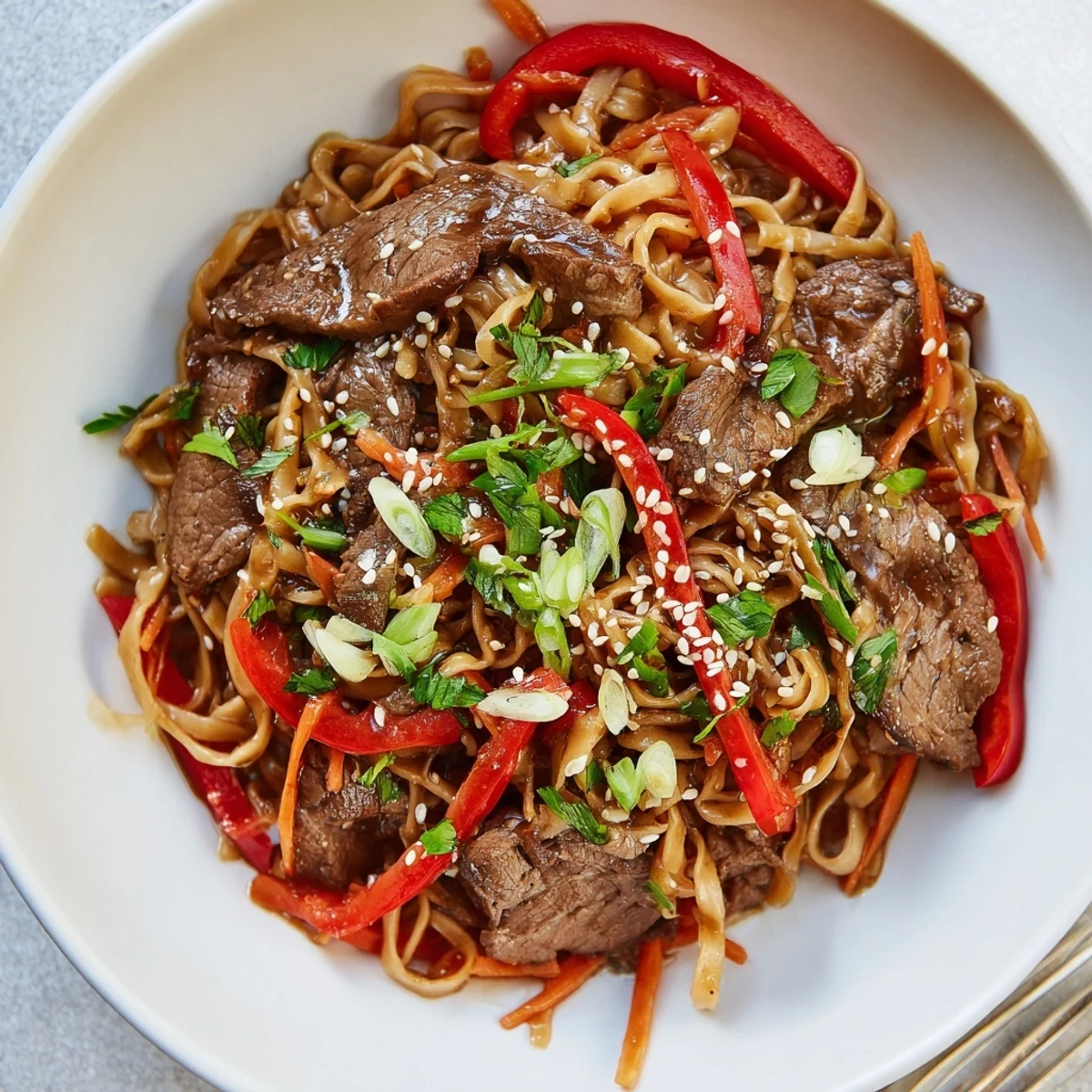
Save Marinate thin beef slices in soy, cornstarch and sesame oil, then sear briefly. Cook noodles while whisking hoisin, dark soy, oyster sauce, honey and water into a glossy glaze. Stir-fry garlic, ginger and vegetables, return the beef, add the sauce and noodles, and toss over high heat until glossy and coated. Garnish with sesame seeds and fresh herbs; serves four in about 30 minutes.
If you listen closely as the noodles hit the sizzling wok, there’s a happy sizzle that always reminds me of impromptu dinners on chilly nights. One evening when the fridge was nearly empty, I pieced together what turned out to be the most gloriously sticky beef noodles. The ginger's warmth filled my tiny kitchen and, for a moment, I forgot about the rain hammering the window. Who knew a weeknight dinner could taste this much like a treat?
When I made this for a last-minute Friday gathering, everyone ended up standing around the stovetop stealing noodles straight from the pan. The air was thick with that inimitable scent of caramelizing hoisin and ginger, and someone joked that I’d clearly missed my calling as a noodle vendor. It was one of those evenings where the food vanishes in a blink, laughter echoes, and the dishes are tackled together at midnight.
Ingredients
- Beef sirloin or flank steak: Slicing the beef thinly across the grain is key for that melt-in-your-mouth texture—don't skip this.
- Soy sauce: Used in the marinade and sauce, it pulls everything together with a deep umami punch; light or dark soy each have perks, but a splash of both is best.
- Cornstarch: My favorite hack for velvety beef—just a dusting makes the difference.
- Sesame oil: Adds a nutty warmth; drizzle it over the beef, not the pan, for the right fragrance.
- Egg noodles (or rice noodles): Chewy noodles soak up the sauce—egg gives springiness, but rice noodles keep things gluten-free.
- Red bell pepper: Brings color and a gentle sweetness; cut them thin so they cook quickly in the wok.
- Carrot: Julienne strips give crunch and lovely flecks of color—sometimes I add a dash more just for brightness.
- Spring onions: These add a peppery bite; I always toss in some extra greens for garnish.
- Garlic and ginger: They make the whole dish smell irresistible—sauté just until your kitchen smells like a noodle shop.
- Hoisin sauce: Sweet and savory, it’s the heart of that sticky glaze.
- Dark soy sauce: For deeper color and extra savoriness; just a tablespoon transforms the sauce.
- Oyster sauce: Adds body and a subtle brininess—sub with mushroom sauce if you want it vegetarian.
- Honey: A spoonful is all you need for balance and shine.
- Toasted sesame seeds: Sprinkle at the end for a nutty crunch and a little brag-worthy finish.
- Fresh coriander or scallions: These brighten up the final dish—I chop them right before serving for maximum freshness.
Instructions
- Marinate the beef:
- In a bowl, toss the beef slices with soy sauce, cornstarch, sesame oil, and black pepper until they’re evenly coated. Let the flavors mingle for ten minutes while you prep the rest.
- Cook the noodles:
- Boil your noodles according to the package directions—give them an occasional stir so nothing sticks together, then drain and set aside.
- Whisk up the sticky sauce:
- Combine hoisin sauce, dark soy, oyster sauce, honey, and water in a small bowl. Whisk until everything dissolves into a glossy, deep brown pool.
- Brown the beef:
- Heat your wok or a sturdy pan over high till it’s just starting to smoke, add oil, and sear the beef until just browned on the edges—usually 1 or 2 minutes—then set aside.
- Sauté aromatics and veggies:
- In the same wok, add a touch more oil if needed, then cook the garlic and ginger until they’re fragrant. Stir in bell pepper, carrot, and spring onion; toss for 2-3 minutes so they keep their freshness and crunch.
- Add beef and sticky sauce:
- Return the seared beef to the pan and pour over your sticky sauce, tossing until everything is glistening and just bubbling, about a minute.
- Add noodles and finish:
- Slide in the cooked noodles and toss quickly, letting all that sauce cling until everything’s steamy and caramelized.
- Garnish and serve:
- Immediately scatter over sesame seeds and fresh herbs—it’s ready to eat piping hot and glossy.
 Save
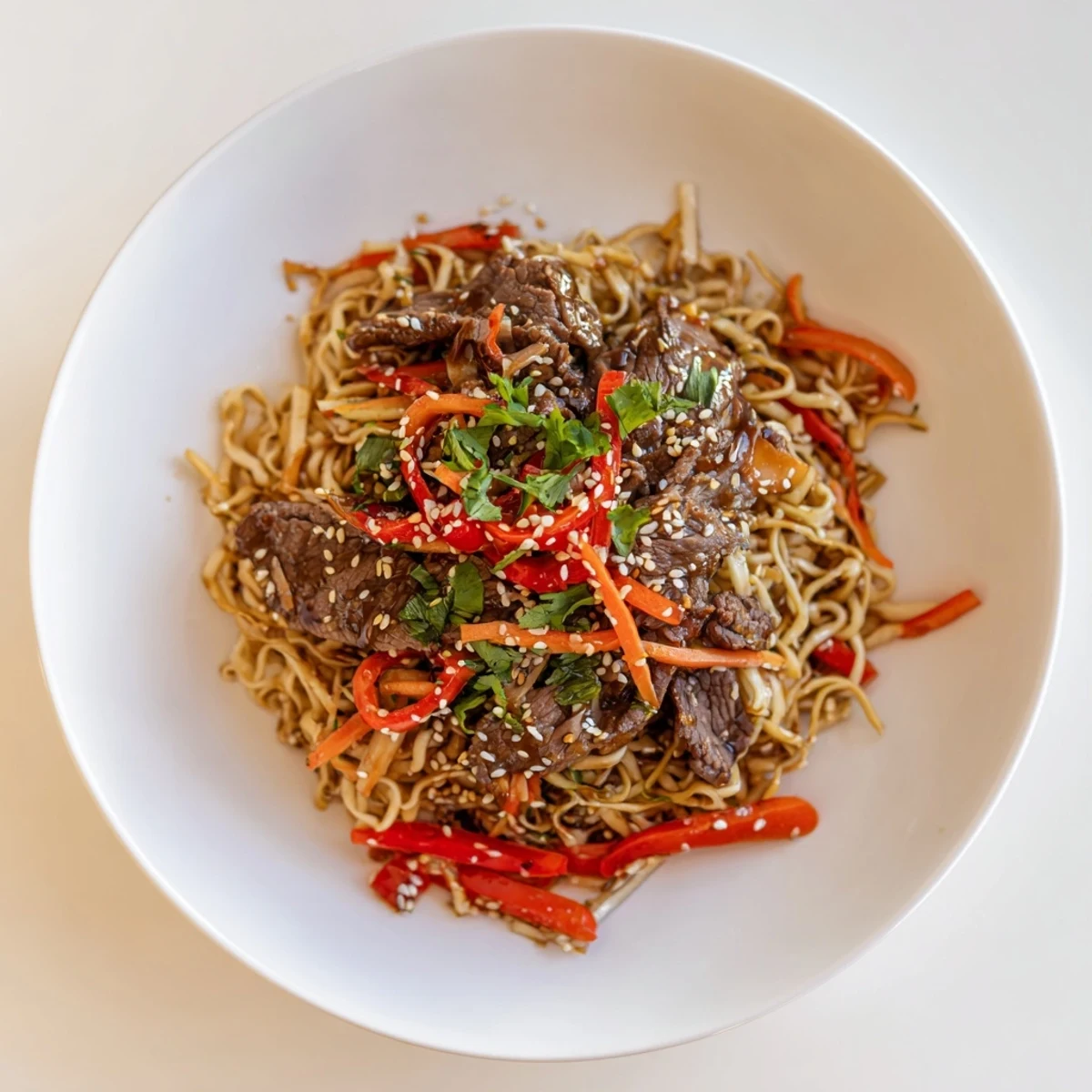
Save When my friend Maya made this dish with me for her first real home-cooked dinner date, it stole the spotlight and maybe even her date’s heart. Afterward, she texted me a photo of empty plates and a single noodle stuck to her cat—proof it was a success well beyond the table.
How to Make It Your Own
The real fun starts once you’ve nailed the basics: swap in tofu for beef, toss in snap peas or mange tout for a green crunch, or drizzle extra chili oil at the end if you like a kick. Sometimes I’ll even add a fried egg on top for weekend brunch vibes.
My Favorite Saucy Secrets
If you want a sauce so sticky it clings to every bite, let it bubble for about thirty seconds after adding to the pan—it thickens fast, so keep watch. And don’t be shy with the honey if you crave extra gloss and sweetness.
Simple Weeknight Dinners: Noodle Edition
This recipe fits perfectly into the madness of busy evenings—I can marinate beef and chop veggies earlier, then pull it all together in minutes after work. Cleanup is a breeze since it’s mostly made in one wok and a couple of bowls.
- Press noodles gently with tongs after tossing to help the sauce cling.
- Garnish right before serving for maximum color and crunch.
- Serve in shallow bowls so every strand gets plenty of sauce.
 Save
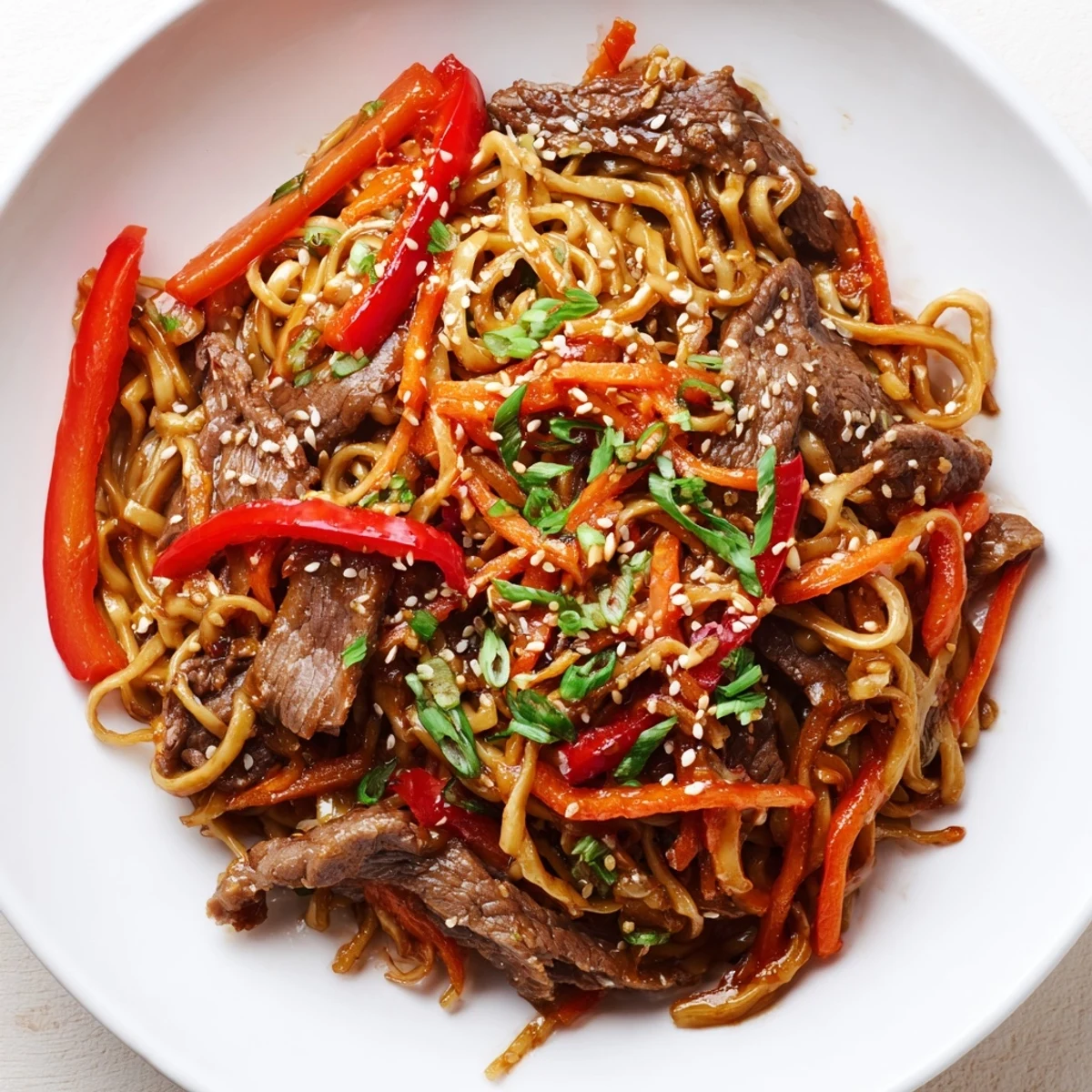
Save Sticky beef noodles bring fun and flavor into any night—they’re the surest way I know to turn leftovers and laughter into something memorable. Here’s hoping you find as much joy slurping these as I always do.
Recipe FAQs
- → Can I swap the beef for another protein?
-
Yes — chicken or firm tofu work well. Adjust cooking time: chicken strips need slightly longer, while tofu should be pressed and seared to develop a crust before tossing with the sauce.
- → How can I make this gluten-free?
-
Use rice noodles and substitute tamari or a gluten-free soy sauce for regular soy, and check that hoisin and oyster-style sauces are labeled gluten-free or use alternatives like plum sauce mixed with tamari.
- → What keeps the noodles from getting soggy?
-
Cook noodles until just tender, drain thoroughly, and toss briefly in a splash of oil to separate. Add them at the end over high heat and cook only 1–2 minutes while tossing, so they stay slightly chewy.
- → How do I get a glossy, sticky sauce without it burning?
-
Whisk the sauce ingredients with a small amount of water so it thins. Add it to the pan off the hottest part of the flame, then bring to a quick bubble while tossing—sugar and cornstarch from the marinade help create shine without scorching.
- → What are good garnishes and pairings?
-
Toast sesame seeds and scatter fresh coriander or sliced scallions for brightness. Serve alongside a crisp lager, jasmine tea or steamed greens to balance the sweet-salty glaze.
- → How should leftovers be stored and reheated?
-
Cool quickly, refrigerate in an airtight container for up to 2 days. Reheat in a hot skillet with a splash of water or oil, tossing to revive the glaze and soften the noodles evenly.