
 Save
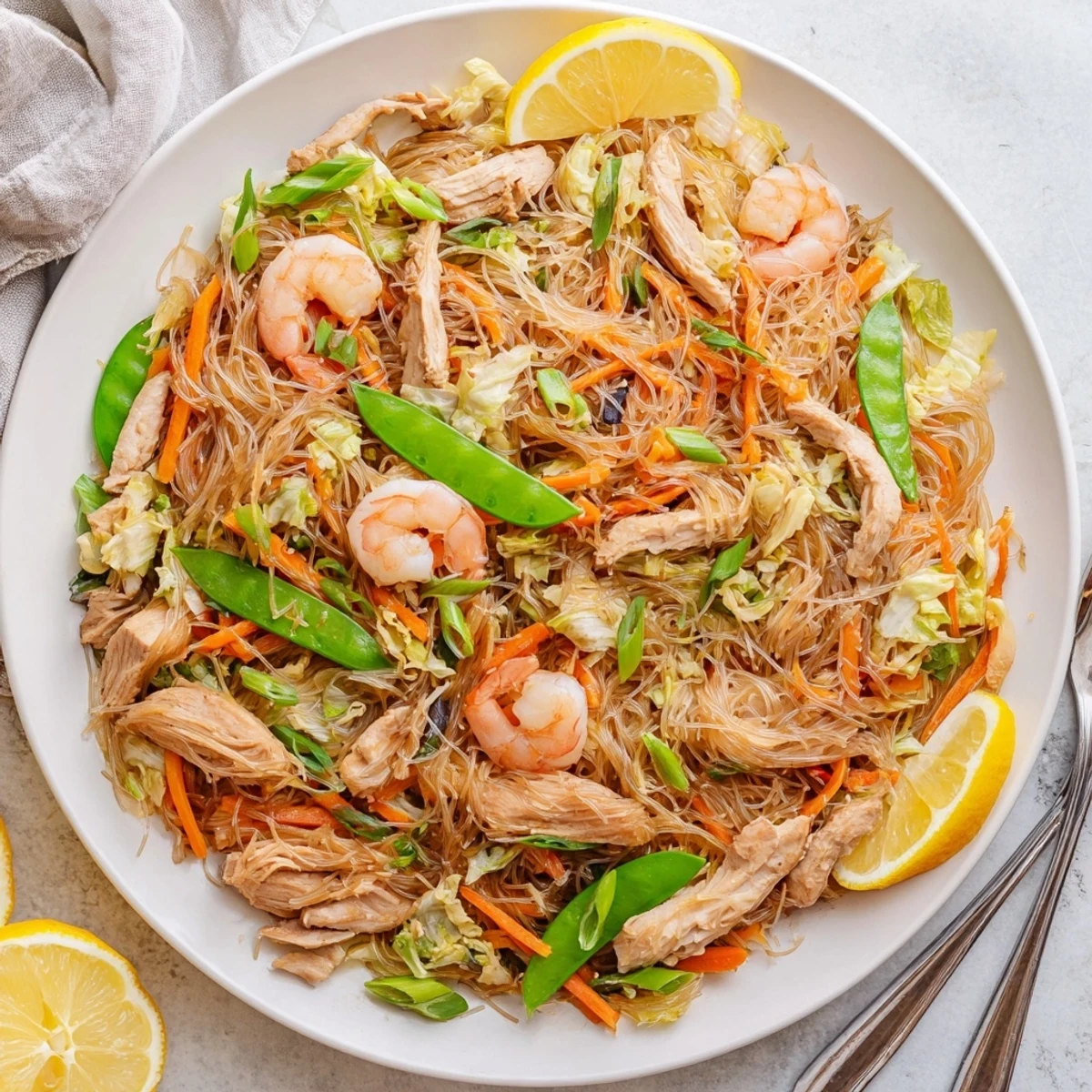
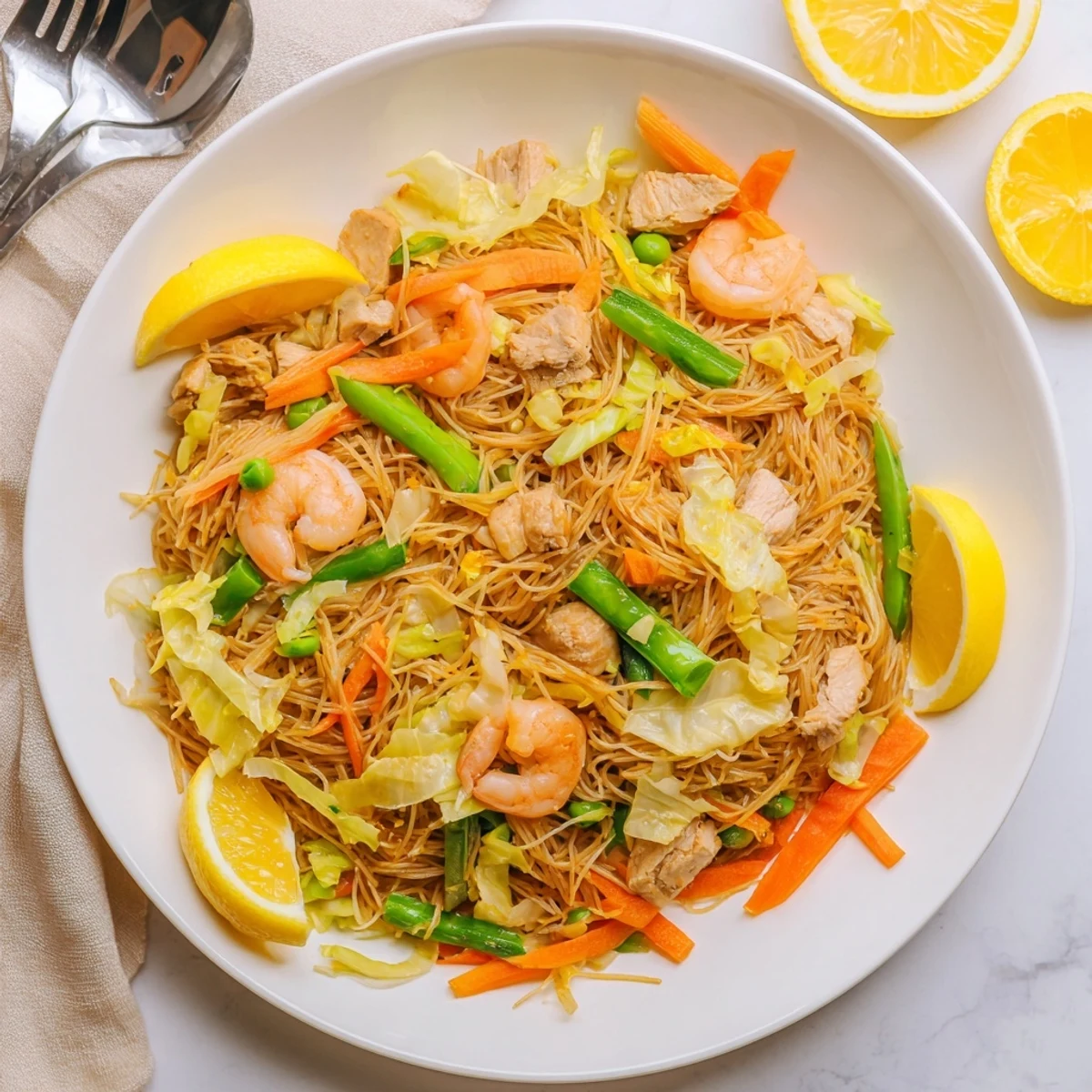
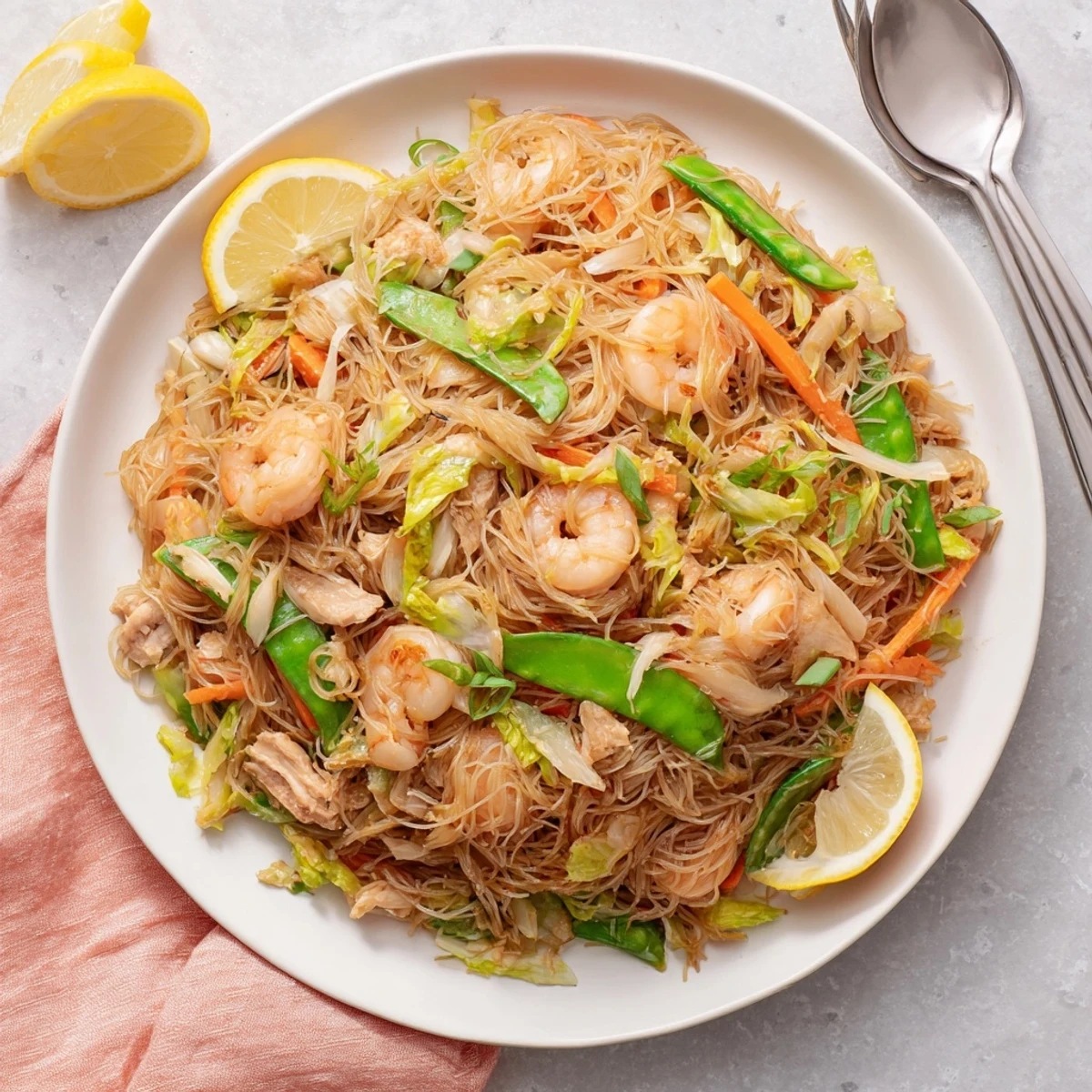
Save This classic Filipino dish features thin rice vermicelli noodles wok-tossed with juicy chicken breast, plump shrimp, and colorful vegetables including julienned carrots, shredded cabbage, and snow peas. The noodles absorb a deeply flavorful sauce made from soy sauce, oyster sauce, and chicken broth, creating that signature umami-rich taste Pancit is known for.
Perfect for family gatherings or weeknight dinners, this one-pan meal comes together in just 40 minutes. The key lies in properly soaking the bihon noodles until softened but not mushy, then allowing them to drink in the savory sauce during the final minutes of cooking. Finish with fresh scallions and serve with calamansi or lemon wedges for a bright citrus accent that cuts through the richness.
The steam rising from my tita's kitchen always meant something special was happening. I'd perch on a stool watching her hands move impossibly fast, the wok hissing as vegetables hit hot oil. That first bite of her pancit made me understand how something so simple could taste like celebration itself.
Last Christmas, I finally nailed my aunt's version after years of attempts. My cousin took one bite and immediately asked if I'd been calling tita for secret tips. The way the noodles soak up all those flavors while staying perfectly tender is pure magic.
Ingredients
- 200 g boneless chicken breast: Thin slices cook faster and stay tender against the noodles
- 100 g medium shrimp: They cook quickly so add them last to keep them sweet and plump
- 200 g dried bihon noodles: Rice vermicelli soaks up all that sauce like little flavor sponges
- 1 small carrot, julienned: Adds a sweet crunch that cuts through the savory richness
- 1 cup green cabbage, shredded: Gets just tender enough while still holding its shape
- 1/2 cup snow peas: These little pods bring fresh snap to every bite
- 1 small onion, sliced: The foundation that builds depth as it softens
- 3 cloves garlic, minced: Because Filipino cooking starts and ends with garlic
- 2 tbsp soy sauce: Your base umami and that gorgeous amber color
- 1 tbsp oyster sauce: The secret ingredient that makes it restaurant quality
- 1 tsp fish sauce: Just enough to deepen the savory notes without overwhelming
- 1/2 tsp ground black pepper: Freshly cracked makes all the difference here
- 1 cup chicken broth: The liquid gold that brings everything together
- 2 tbsp chopped scallions: Fresh green finish that wakes up the whole dish
- 1 lemon or calamansi: That squeeze of bright acid at the table is nonnegotiable
Instructions
- Prepare the noodles:
- Soak bihon in warm water for about 10 minutes until they're pliable and limp. Drain them well and set aside because wet noodles will make your sauce too thin.
- Build your aromatics:
- Heat oil in your wok over medium high heat and let the garlic and onion dance until fragrant. Your kitchen should smell amazing right about now.
- Cook your proteins:
- Add chicken first and let it develop some color then toss in shrimp until they turn perfectly pink. Remove both from the pan to prevent overcooking.
- Stir fry the vegetables:
- Carrots cabbage and snow peas hit the hot wok for just 2 to 3 minutes. You want them tender crisp still holding onto their fresh crunch.
- Create the sauce base:
- Return the proteins and pour in soy sauce oyster sauce fish sauce and chicken broth. Let everything bubble together and get friendly.
- Bring it all together:
- Add those softened noodles and gently toss with tongs until they've absorbed all that liquid goodness. This is where the magic happens over 3 to 4 minutes.
- Season and serve:
- Taste and adjust with more pepper if needed then pile onto a platter with scallions scattered on top. That lemon wedge on the side makes everything pop.
 Save
Save My lola always said pancit tastes better when shared. There's something about passing around a platter of steaming noodles that makes conversation flow easier and laughter come quicker.
Getting The Perfect Texture
I learned the hard way that not all bihon brands soak the same way. Some need more time others drink up water like nobody's business. Test a strand between your fingers and if it still feels chalky give it another couple minutes in that warm bath.
Building Layers of Flavor
The oyster sauce is what transforms this from everyday noodles to something special. I add it right after the soy sauce so it has time to caramelize slightly against the hot pan. That tiny bit of sweetness balances everything beautifully.
Making It Your Own
Don't be afraid to swap proteins based on what's in your fridge or what your family loves. Some Sundays I'll add pork belly strips for extra richness other times it's just shrimp and lots more vegetables.
- Leftover roast chicken or pork work beautifully here
- Button mushrooms soak up the sauce like little flavor bombs
- A drizzle of sesame oil right at the end adds gorgeous aroma
 Save
Save There's something deeply comforting about a dish that's been feeding families for generations. I hope this recipe finds its way into your regular rotation.
Recipe FAQs
- → What type of noodles are used in Pancit Bihon?
-
Pancit Bihon uses dried rice vermicelli noodles, also known as bihon or thin rice sticks. These translucent noodles soak up flavors beautifully and have a delicate texture when cooked properly.
- → Can I make Pancit Bihon ahead of time?
-
Yes, you can prepare the ingredients in advance, but it's best to cook and serve immediately for optimal texture. Leftovers store well in the refrigerator for 2-3 days and reheat easily with a splash of water or broth.
- → What vegetables work best in this dish?
-
Traditional options include carrots, cabbage, snow peas, and snap beans for crunch and color. You can also add bell peppers, celery, or green beans depending on preference and availability.
- → How do I prevent the noodles from becoming mushy?
-
Soak the bihon noodles in warm water until just softened, about 10 minutes, then drain well. Avoid over-soaking. When cooking, toss the noodles gently and cook just until heated through and the sauce is absorbed.
- → Is there a vegetarian version of Pancit Bihon?
-
Absolutely. Substitute the chicken with firm tofu cubes and omit the shrimp. Use vegetable broth instead of chicken broth, and replace fish sauce with additional soy sauce or salt for seasoning.
- → What's the purpose of calamansi or lemon wedges?
-
The citrus adds a bright, acidic contrast that balances the savory soy-based sauce. Squeeze fresh juice over your serving to enhance the flavors and cut through the richness of the dish.